Types of Shipping Containers
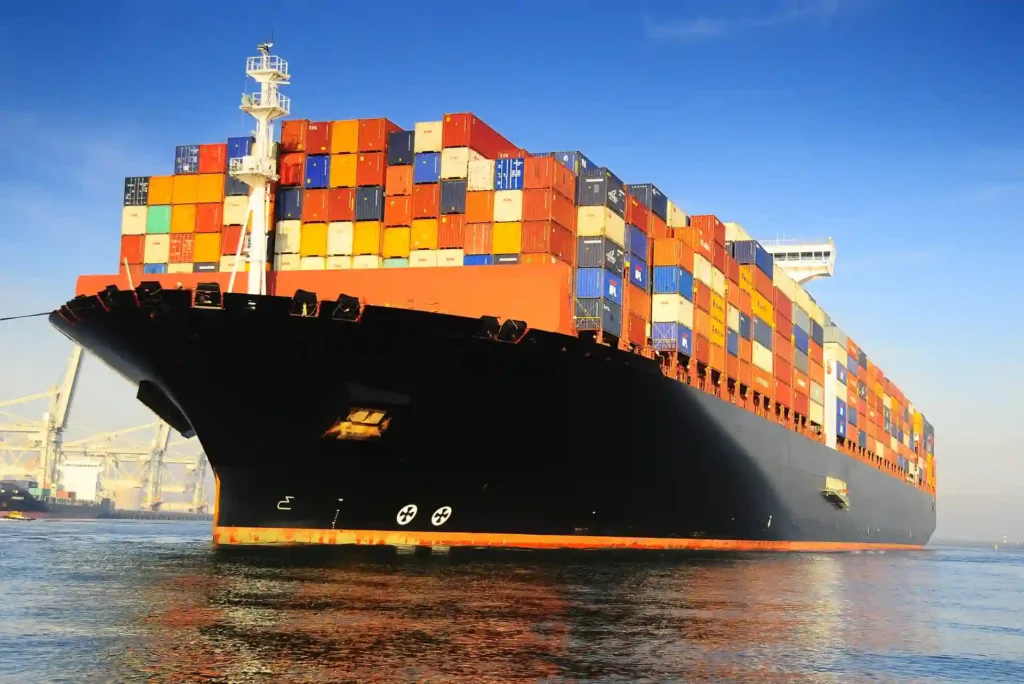
Shipping containers play a vital role in global trade, enabling the transport of goods across long distances efficiently and securely.
With different types available, choosing the right container is essential to meet the specific requirements of the cargo, ensuring safety and cost-effectiveness during transportation.
From standard containers to specialized ones like reefers or tank containers, each serves a unique purpose.
This post will guide you through the different types of shipping containers and provide tips on how to select the best one based on your needs and cargo type.
You Will Learn
Standard Shipping Containers (20GP/40GP/40HC)
Standard shipping containers, or dry containers, are the most common type used globally for general cargo. These containers are built to transport non-perishable goods that do not require special handling.
Sizes
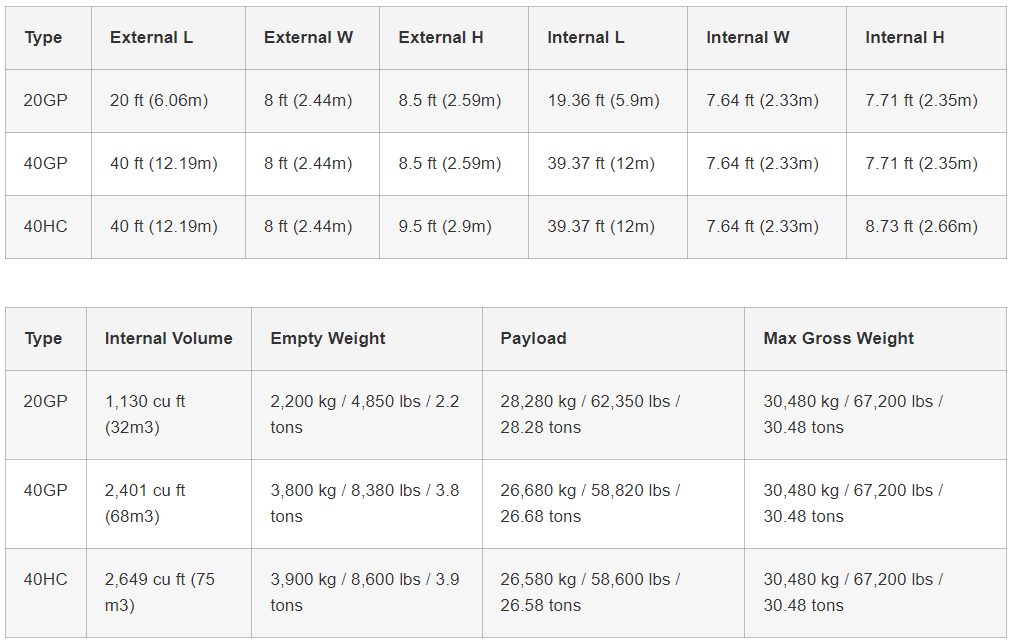
According to ISO standards, container sizes are standardized globally. The widths are all 8ft (2.44m), with four different lengths: 10ft (2.99m), 20ft (6.06m), 30ft (9.12m), and 40ft (12.19m). Heights come in three options: 8ft (2.44m), 8.5ft (2.59m), and 9.5ft (2.9m). The most common are:
- 20GP (20ft): External size – 20ft x 8ft x 8.5ft
- 40GP (40ft): External size – 40ft x 8ft x 8.5ft
- 40HC (40ft High Cube): External size – 40ft x 8ft x 9.5ft
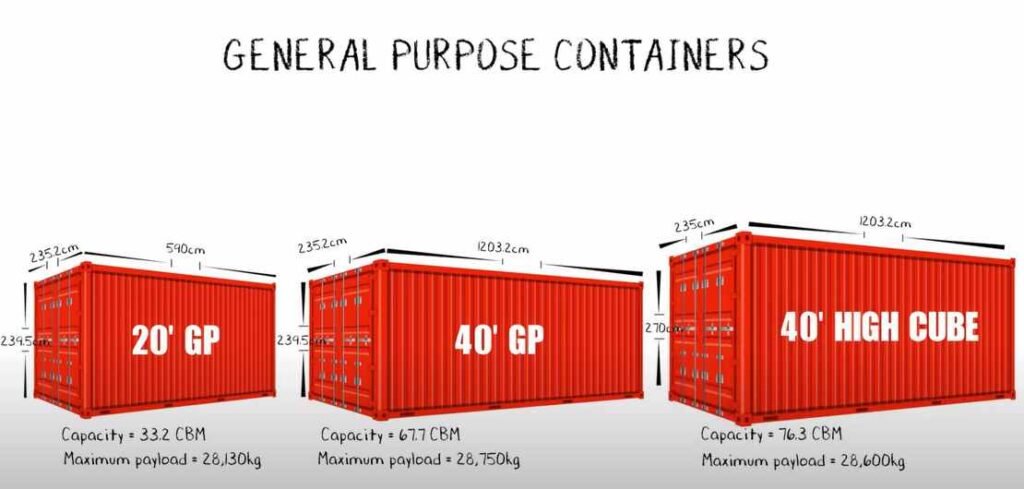
Below are the size charts for your better review.
Usage
Standard containers are suitable for non-perishable goods like textiles, machinery, and household items. High-cube containers are ideal for larger, voluminous cargo.
Pros and Cons
- Pros: They are affordable, widely available, and versatile. Their standardization ensures compatibility with global shipping methods, making them the go-to choice for many shipping needs.
- Cons: They are limited in handling specialized cargo, such as temperature-sensitive items or large, irregularly shaped objects. Environmental factors like humidity or extreme temperatures may also affect the cargo.
Refrigerated Containers
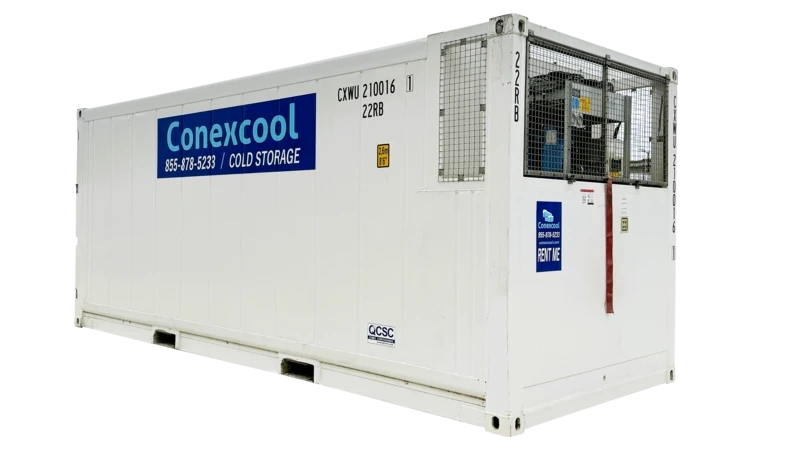
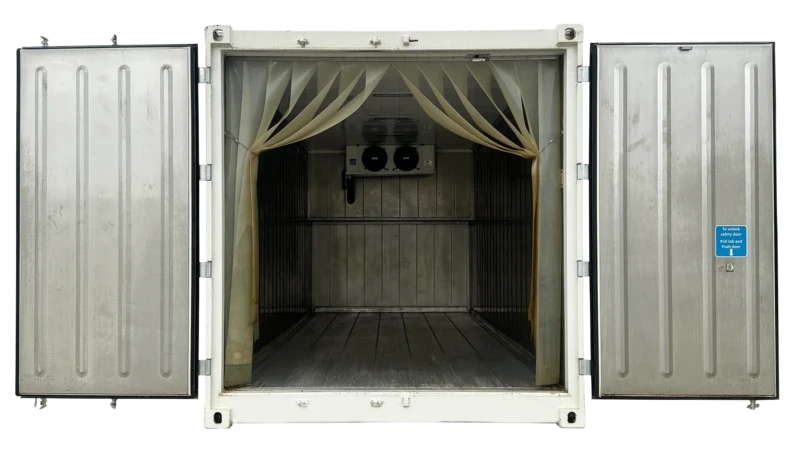
Refrigerated containers, commonly known as reefer containers, are specialized shipping containers equipped with temperature control systems.
These containers are designed to maintain a specific temperature range, making them ideal for transporting perishable goods. Unlike standard containers, reefer containers can cool or heat the interior to ensure that goods are stored under optimal conditions throughout the shipping process.
They play a crucial role in maintaining the quality and safety of products that are sensitive to temperature changes, such as food, pharmaceuticals, and certain chemicals.
Sizes
Reefer containers typically come in two standard sizes:
- 20ft Reefer Container: A smaller option for transporting moderate quantities of temperature-sensitive goods.
- 40ft Reefer Container: Ideal for shipping larger volumes of goods over long distances.
Both sizes are also available in high-cube versions, which provide extra vertical space for transporting voluminous items.
Usage
Reefer containers are widely used across various industries, particularly for transporting perishable goods. The most common uses include:
- Food Products: Fruits, vegetables, dairy, meat, seafood, and other food items that require constant refrigeration or freezing to maintain freshness during transit.
- Pharmaceuticals: Medicines and vaccines that need to be stored at controlled temperatures to preserve their efficacy.
- Chemicals: Certain chemicals that are sensitive to temperature fluctuations or need to be kept in a stable environment to avoid degradation.
Reefer containers are indispensable in the cold chain logistics sector, ensuring that products remain within their required temperature range from the point of origin to the final destination.
Open-Top Containers
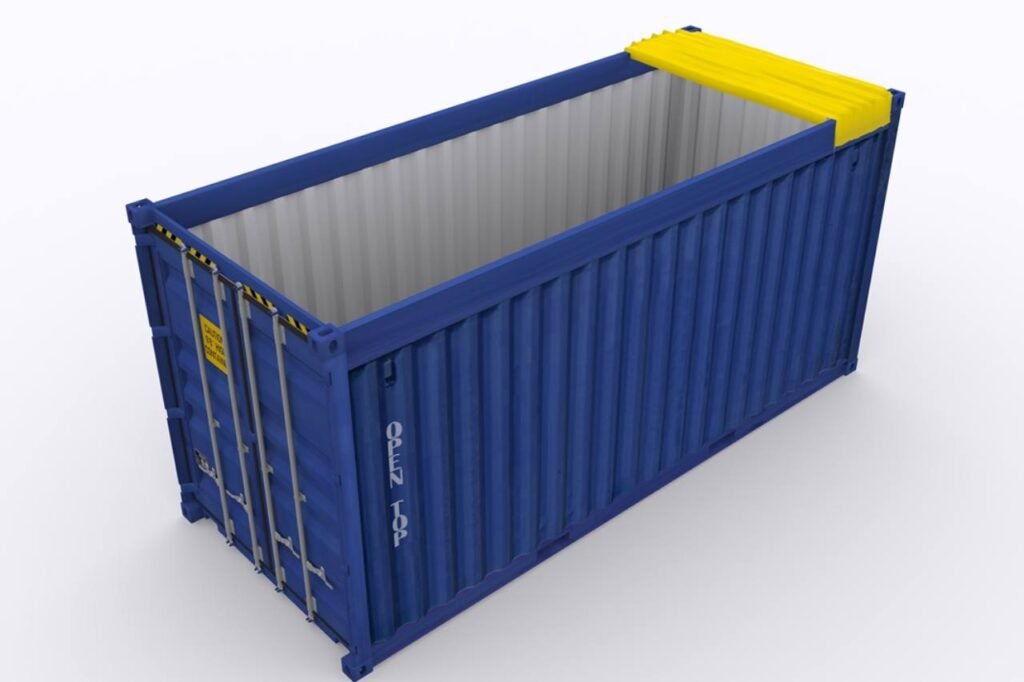
Open-top containers are specialized shipping containers designed without a solid roof, allowing for easy loading and unloading of oversized or bulky cargo that cannot fit through standard container doors.
These containers are typically used to transport heavy machinery, vehicles, and large construction materials. The absence of a roof enables cargo to be loaded from the top using cranes.
Flat Rack Containers
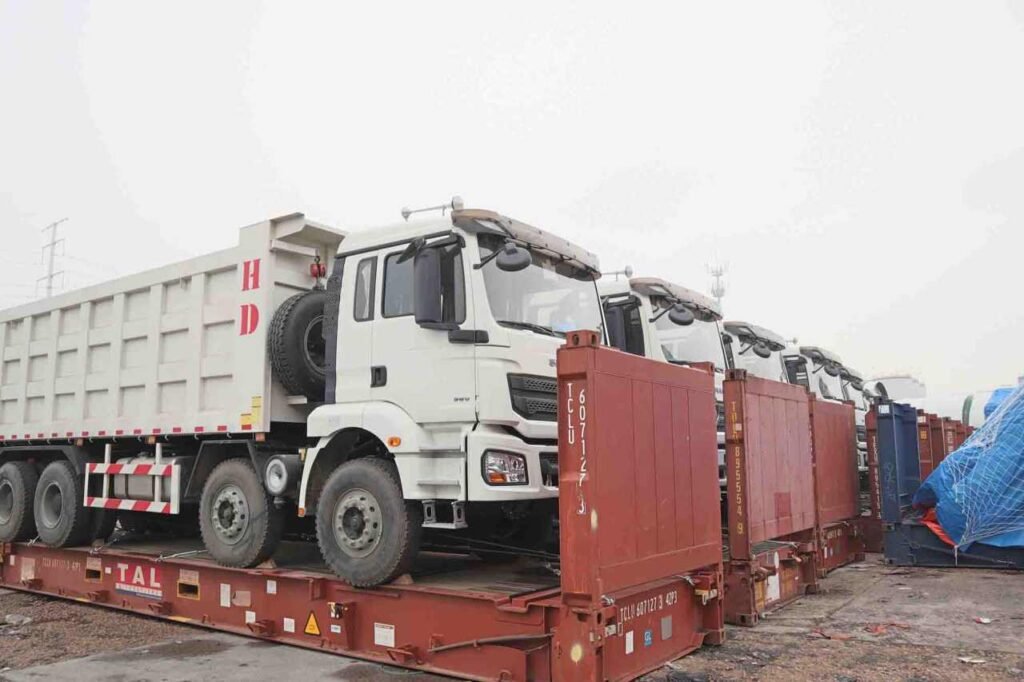
Flat rack containers are specialized containers with collapsible sides designed to transport large, heavy, or awkwardly shaped cargo. The sides can be folded down to accommodate items that don’t fit within standard container dimensions.
Tank Containers
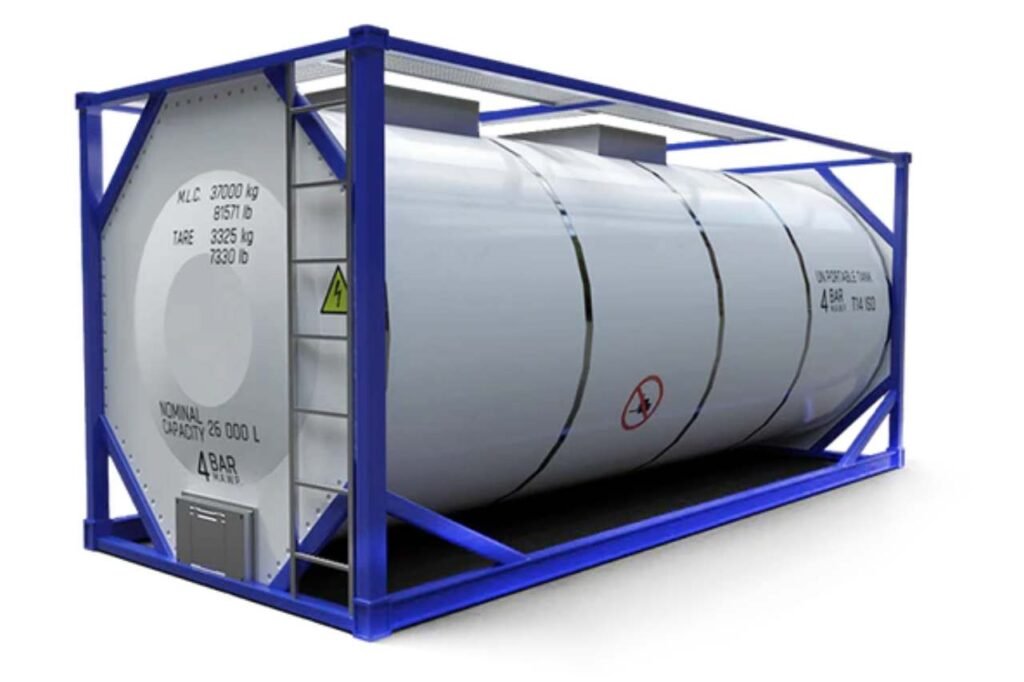
Tank containers are cylindrical containers designed specifically for the transport of liquid cargo. They consist of a stainless steel tank surrounded by a protective frame, ensuring safe transport of liquids across long distances.
Factors to Consider When Choosing a Shipping Container
Selecting the right shipping container is crucial to ensuring your cargo is safely transported while optimizing costs and logistical efficiency. Several factors should be considered when choosing a container, from the type of goods being shipped to environmental concerns. Below are the key considerations:
Type of Goods: Fragility, Perishability, and Size
The nature of the goods being shipped greatly influences the type of container you need. Understanding the specific requirements of your cargo can help ensure that your products arrive safely and in good condition.
- Fragility: For fragile goods like glassware, electronics, or ceramics, standard containers might suffice if they are properly packed and secured. However, more delicate items might require specialized containers or internal protection measures such as padding or custom crates to prevent damage.
- Perishability: Perishable goods like food, medicine, or other temperature-sensitive items require refrigerated (reefer) containers. These containers provide temperature control to preserve the quality of items, ensuring they remain fresh or stable during transit.
- Size: The size and weight of your cargo also play a significant role. Bulky or oversized goods, such as heavy machinery or construction materials, are best suited for flat rack or open-top containers, which allow for easy loading and can accommodate irregularly shaped items. Meanwhile, lightweight but voluminous items, like furniture or textiles, might require high-cube containers to maximize space.
Cost Considerations: Budget, Weight, and Distance of Shipment
Shipping costs are a major concern for businesses, and choosing the right container can impact overall expenses. It’s important to consider the following:
- Budget: Different containers come with different price points. Standard containers are generally the most affordable option, while specialized containers like reefers, tank containers, and flat racks tend to be more expensive. Understanding your budget constraints and finding a balance between container costs and the specific needs of your goods is essential.
- Weight: Heavier goods can increase shipping fees, as carriers often charge based on weight and volume. Using high-cube containers might be beneficial for lightweight goods that take up more space, while flat racks or open-top containers might be necessary for heavy or bulky cargo.
- Distance: Long-distance shipping may require containers with better protection or specialized handling. For example, fragile or perishable goods shipped over long distances will likely need insulated or refrigerated containers to maintain product integrity.
Logistical Requirements: Handling, Loading, and Unloading Capabilities
The logistics of loading and unloading your cargo also influence container selection. Some items may require specialized containers to ensure efficient handling.
- Handling Requirements: Large, awkwardly shaped items like heavy machinery or pipes can be difficult to load into standard containers. In such cases, flat rack containers or open-top containers allow for easier access from the top or sides, making the loading and unloading process smoother.
- Loading and Unloading: If the destination does not have sophisticated unloading facilities, it’s important to choose a container that simplifies this process. Standard containers may work for most shipments, but for oversized cargo, flat rack and open-top containers may be the most convenient option. Additionally, choosing the right container can also reduce the risk of delays and potential damage during the loading or unloading process.
Environmental Impact: Sustainable Options and Eco-Friendly Choices
As businesses become more conscious of their environmental footprint, sustainable shipping practices are increasingly important. Shipping containers offer a number of environmentally friendly options.
- Reuse and Recycling: Standard steel shipping containers are highly durable and reusable for multiple shipments over many years, reducing the need for constant new production. After their lifespan as containers, they can be recycled or repurposed for other uses, such as storage facilities, pop-up shops, or even homes.
- Eco-Friendly Containers: Some companies now offer eco-friendly container options that use sustainable materials or energy-efficient refrigeration systems for reefer containers. These innovations help reduce the carbon footprint of shipping.
- Energy Usage: Refrigerated containers and tank containers require energy for temperature control or safety monitoring. Opting for containers with energy-efficient systems can help minimize environmental impact while also reducing operating costs.
Contact ITS to Arrange Your Shipment in An Easier Way
What is the cost of one container? and rent cost?
Cost to Purchase a Standard Shipping Container:
20ft Standard Container:
- New: $2,000 to $5,000
- Used: $1,000 to $3,000
40ft Standard Container:
- New: $3,500 to $7,500
- Used: $1,500 to $4,500
40ft High-Cube Container
- New: $4,000 to $8,000
- Used: $2,000 to $5,000
Rental Cost for Standard Shipping Containers:
20ft Standard Container: Monthly Rent: $75 to $200
40ft Standard Container: Monthly Rent: $100 to $250
40ft High-Cube Container: Monthly Rent: $125 to $300
What do the markings on a shipping container mean?
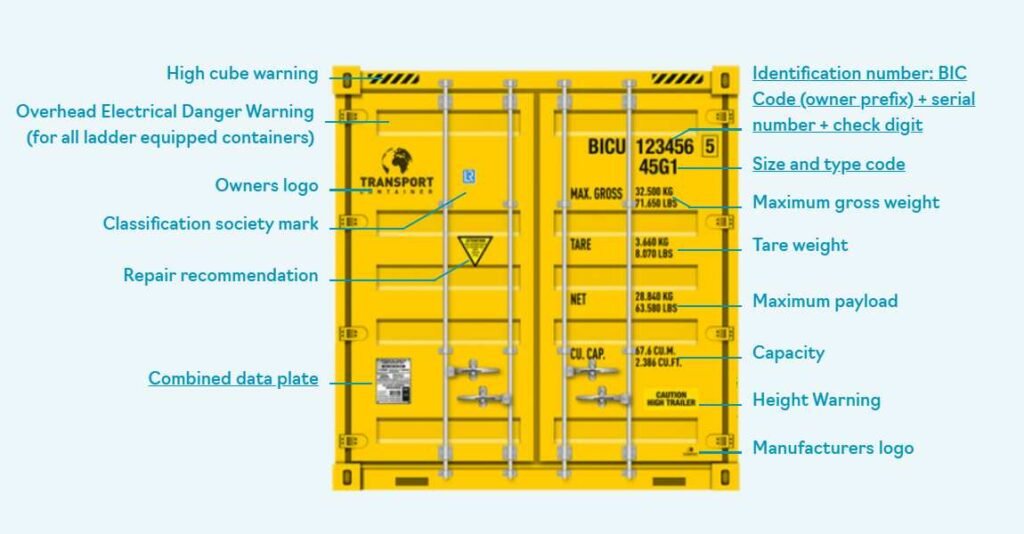
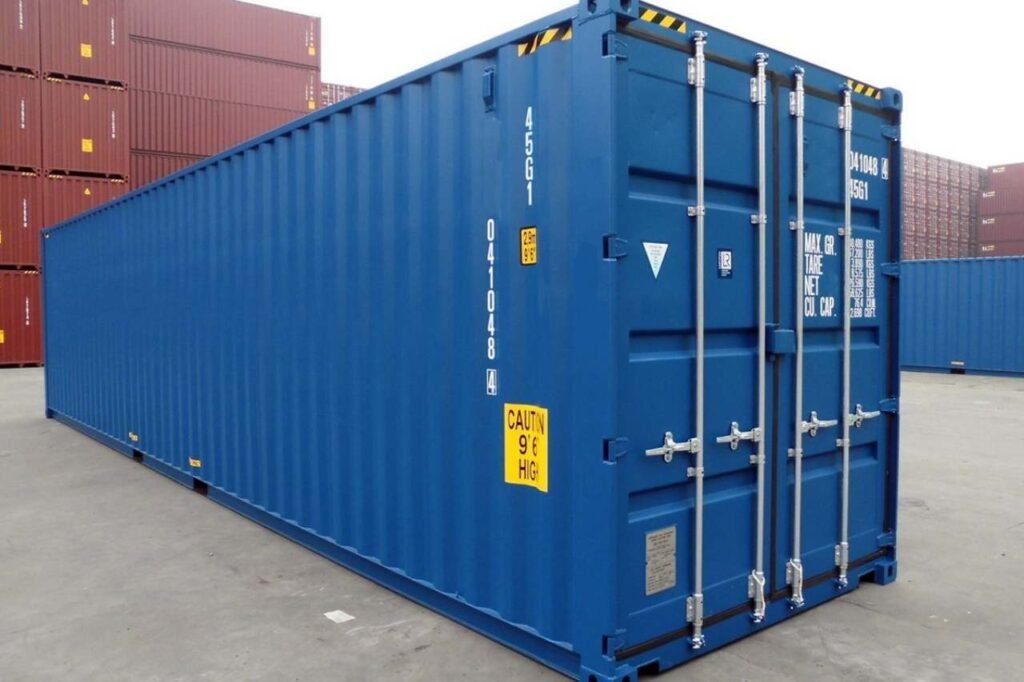
You will see the marks from above picture:
- High cube warning
- Overhead Electrical Danger Warning (for all ladder equipped containers)
- Owner’s logo
- Classification society mark
- Repair recommendation
- Combined data plate
- Identification number: BIC Code (owner prefix) + serial number + check digit
- Size and type code
- Maximum gross weight
- Tare weight
- Maximum payload
- Capacity (CU. CAP.)
- Height Warning
- Manufacturer’s logo
Start With ITS Promotion
Get Shipping Solutions with Competitive Prices
How many cartons can I fit in a container?
The number of cartons you can fit into a shipping container depends on several factors, including the size of the container and the dimensions of the cartons. Here’s how you can estimate the number of cartons that will fit in different types of containers:
Step-by-Step Calculation:
Determine the internal volume of the container:
- 20ft Standard Container: Approximately 32 cubic meters (1,130 cubic feet).
- 40ft Standard Container: Approximately 68 cubic meters (2,390 cubic feet).
- 40ft High-Cube Container: Approximately 75 cubic meters (2,650 cubic feet).
Know the size of the cartons:
- Example: If each carton is 0.5 meters x 0.4 meters x 0.3 meters = 0.06 cubic meters (or the equivalent in cubic feet).
Estimate carton count:
- Total number of cartons = Internal volume of the container ÷ Volume of a single carton.
Example Calculation:
For a 20ft Standard Container:
- Internal volume: 32 cubic meters
- Carton size: 0.06 cubic meters
- Total number of cartons: 32÷0.06=533 cartons (approximately)
For a 40ft Standard Container:
- Internal volume: 68 cubic meters
- Carton size: 0.06 cubic meters
- Total number of cartons: 68÷0.06=1,133 cartons (approximately)
For a 40ft High-Cube Container:
- Internal volume: 75 cubic meters
- Carton size: 0.06 cubic meters
- Total number of cartons: 75÷0.06=1,250 cartons (approximately)
Factors to Consider:
- Packing efficiency: The actual number of cartons may vary depending on how efficiently the cartons are packed (e.g., stacking, unused space).
- Weight limits: Even if the cartons fit volume-wise, the container’s weight limit must not be exceeded.
By knowing the container size and carton dimensions, you can estimate the number of cartons you can fit in a container for your specific shipping needs.
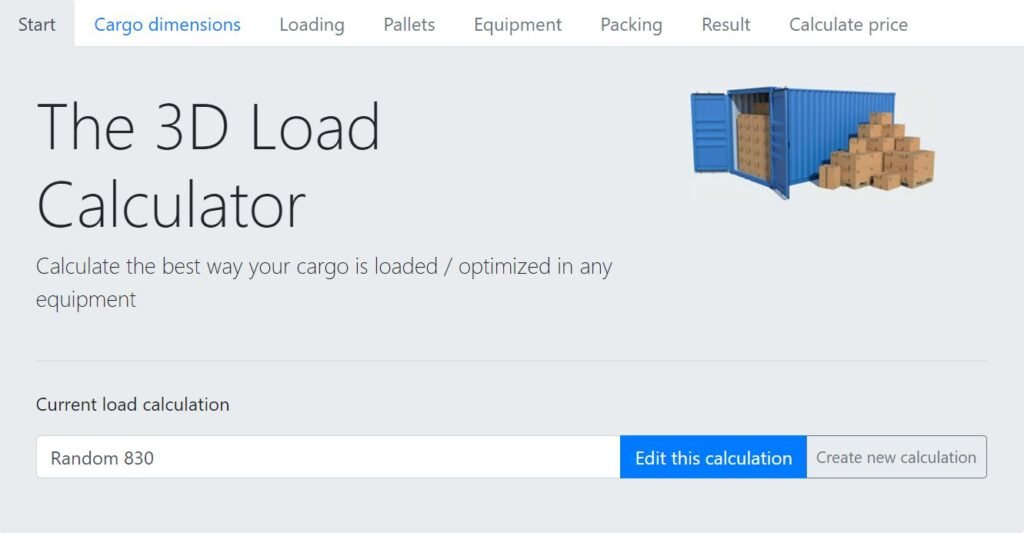
At the same time, you would try container loading calculator. This can help you calculate the loading.
Choosing the right shipping container is crucial for your import and export business. Typically, companies rent containers from shipping lines through freight forwarders.
Before booking a container, it’s important to confirm the gross weight, quantity, and volume of your goods with your supplier. Based on these calculations, you can select the appropriate container to make the best use of space and control shipping costs.
This not only improves transportation efficiency but also helps avoid extra expenses from choosing the wrong container.
Share This Post
Want To Get Promotional Products At Competitive Prices?
Our professional team will help you get whatever you want and finish all process.
We will provide a clear cost breakdown for your project, covering prototype creation, molding, testing, bulk orders, packaging, and shipping, along with expert advice on crafts, materials, and packaging.