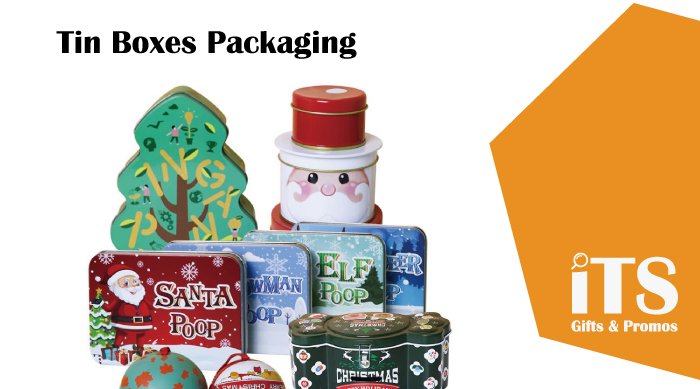
Tin Boxes: A Stylish and Sustainable Packaging Option
Are you searching for a premium packaging solution that combines versatility, durability, and customizability, all while being lightweight and ideal for foods, cosmetics, and more? Metal tin boxes have remained a top choice for packaging over the years. If you’re thinking about using this premium option for your next packaging project, you’ve come to the right place!
In this comprehensive guide, we will walk you through everything you need to know about tin boxesbefore you make an informed decision for the upcoming packaging project.
You Will Learn
What are tin boxes?
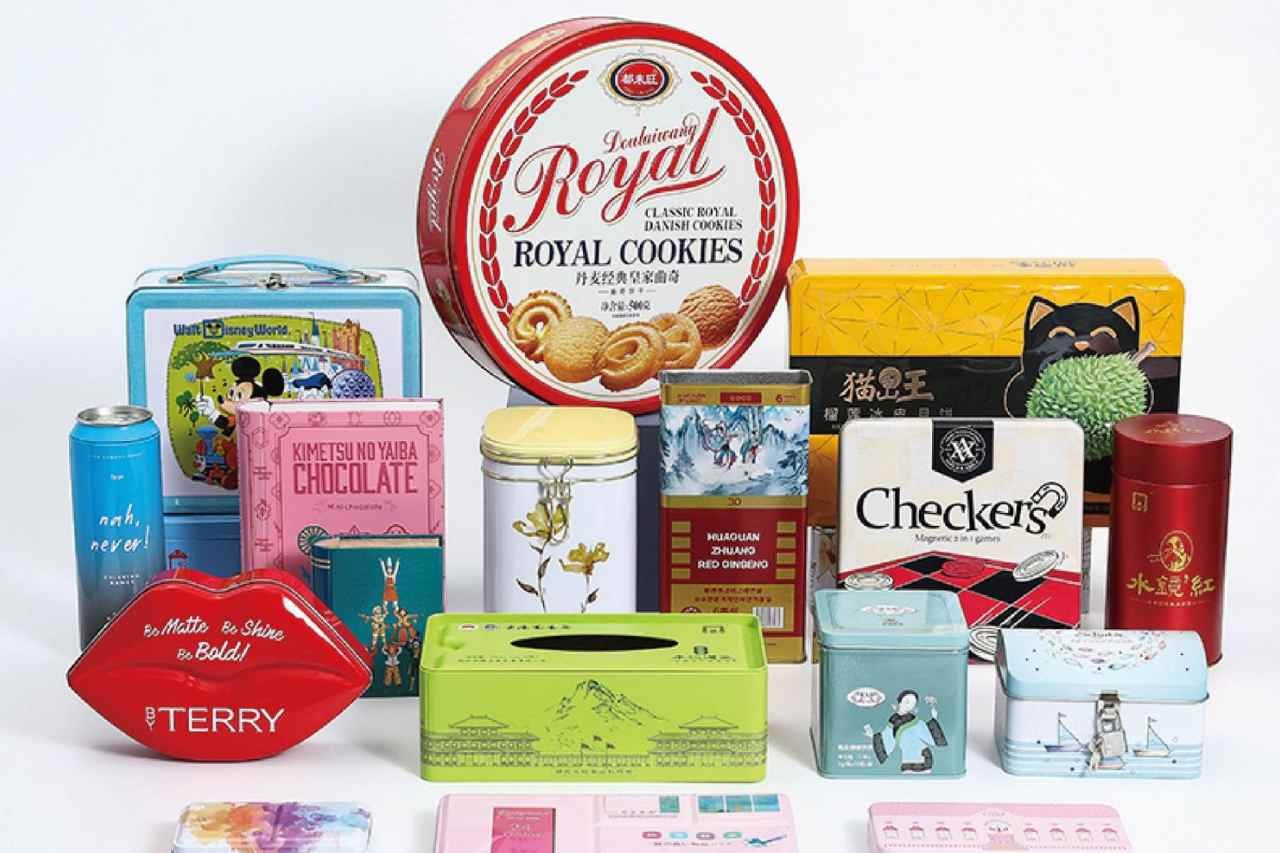
Tin boxes are lightweight, durable containers made from metal, typically tin-plated steel. They are used for packaging a wide variety of products, including food, cosmetics, and promotional items.
Tin boxes are valued for their strength, reusability, and ability to preserve the contents they hold. Additionally, they are customizable, making them a popular choice for brands looking for stylish, eco-friendly packaging solutions.
Tin boxes are often called tinplate boxes, metal tins, tin containers, tin cans, or storage tins, depending on their design and use across different industries like food, cosmetics, and storage.
Types of Tin Materials
There are several types of materials used for making tin boxes:
Tinplate: This is the most commonly used material. It’s made from steel coated with a thin layer of tin, giving it a shiny finish and protecting it from rust. Tinplate is widely used for food packaging and other consumer goods.
Aluminum: A lightweight, corrosion-resistant metal, aluminum is often used for products like cosmetics and lightweight items, offering durability and sleek design.
Pure Tin: Though more expensive, pure tin is occasionally used for luxury packaging because of its strength and resistance to corrosion.
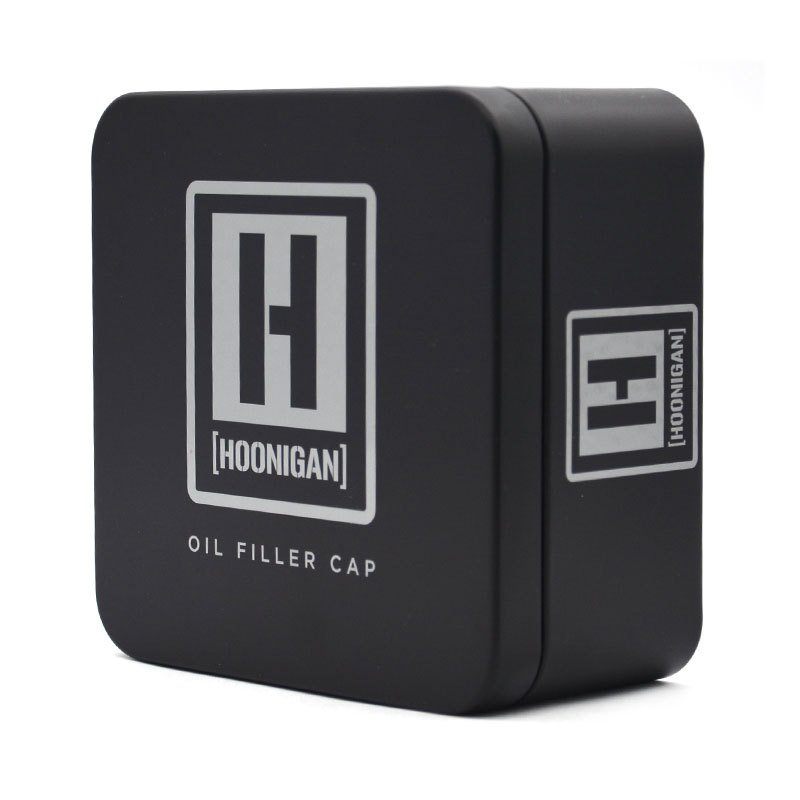
Tinplate
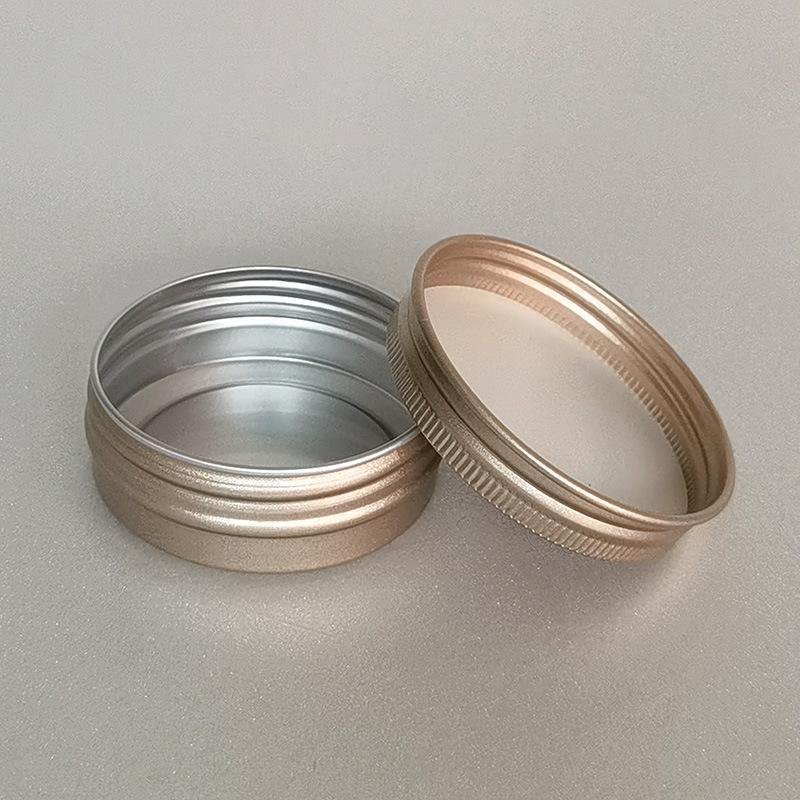
Alumimum
Printing Methods on Tin Boxes
Several printing methods are commonly used to customize tin boxes:
Offset Printing: This is the most widely used technique for printing on tin. It allows for high-quality images and vibrant colors to be applied to the surface. It’s perfect for creating intricate designs with multiple colors.
Embossing/Debossing: This method adds a raised (embossed) or recessed (debossed) effect to the design, giving the tin box a textured, premium feel. It’s often used for logos or special design elements.
Silkscreen Printing: Ideal for simple designs with fewer colors, silkscreen printing applies ink directly onto the tin surface. It’s cost-effective for limited color palettes and simple designs.
Digital Printing: A newer method for smaller runs, digital printing allows for more flexibility and quicker turnaround times. It’s suitable for detailed, custom designs but may not have the same durability as traditional offset printing.
Heat Transfer Printing: This process uses heat to transfer a printed image onto the tin box. It is useful for complex designs and can produce high-resolution results.
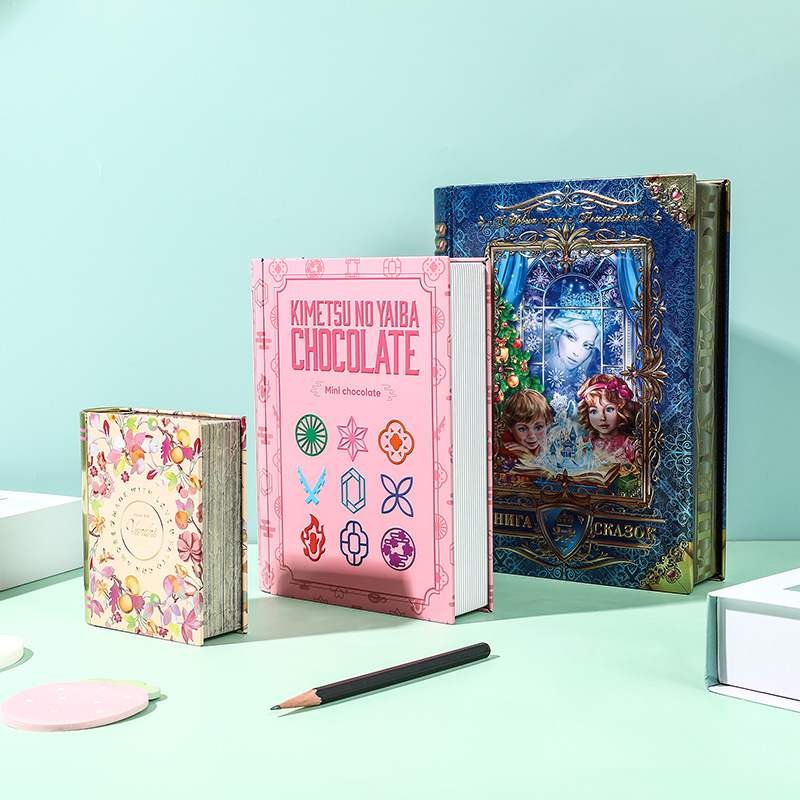
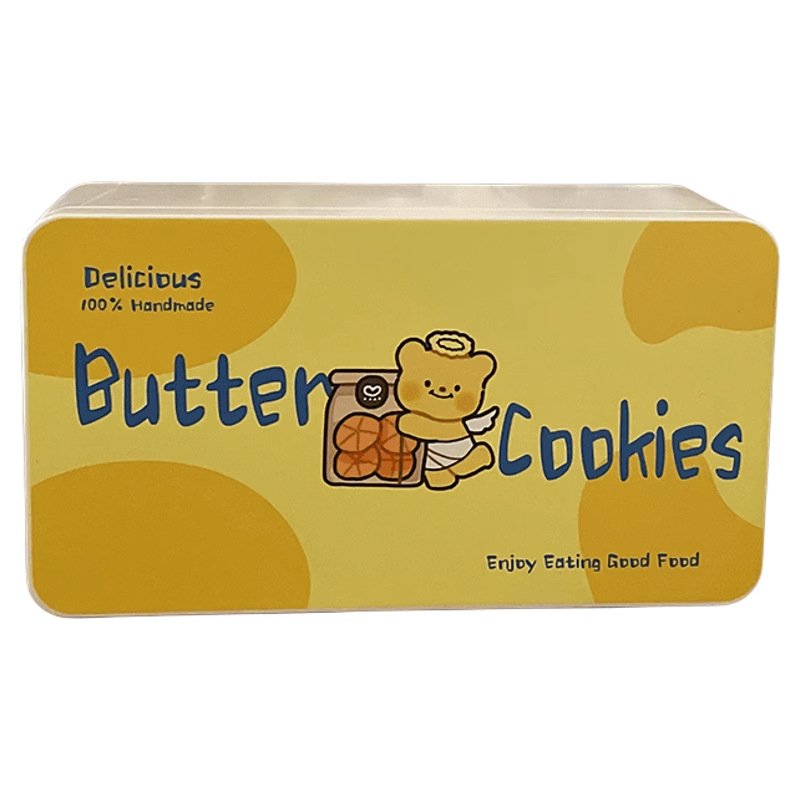
Tin Box Shapes
Tin boxes come in a variety of shapes, each suited to different packaging needs and product types.
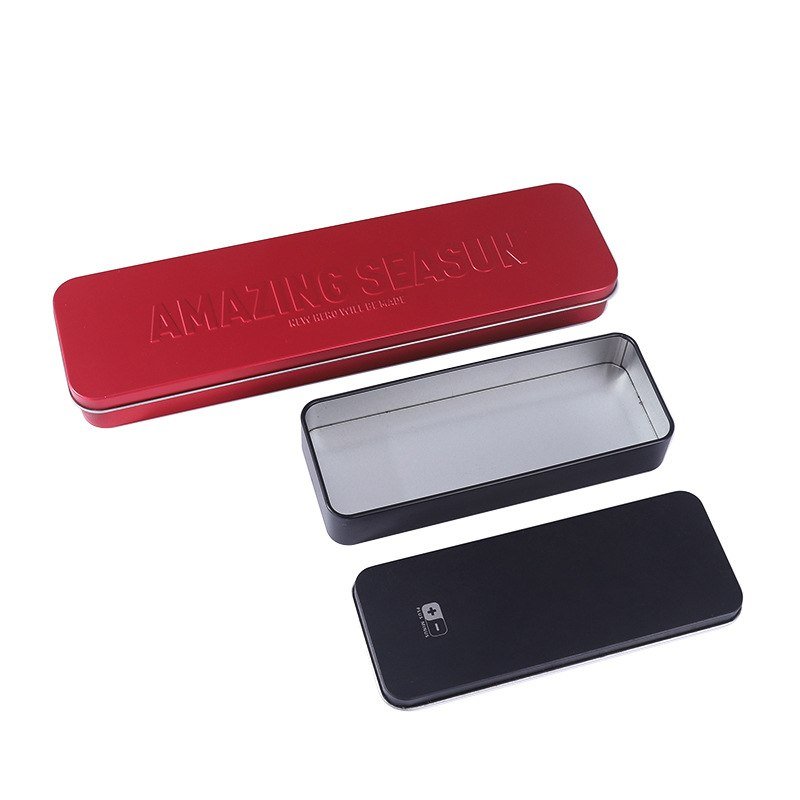
Rectangular: One of the most popular shapes, rectangular tin boxes are commonly used for items like biscuits, cookies, and other food products. They offer efficient space utilization and can stack easily.
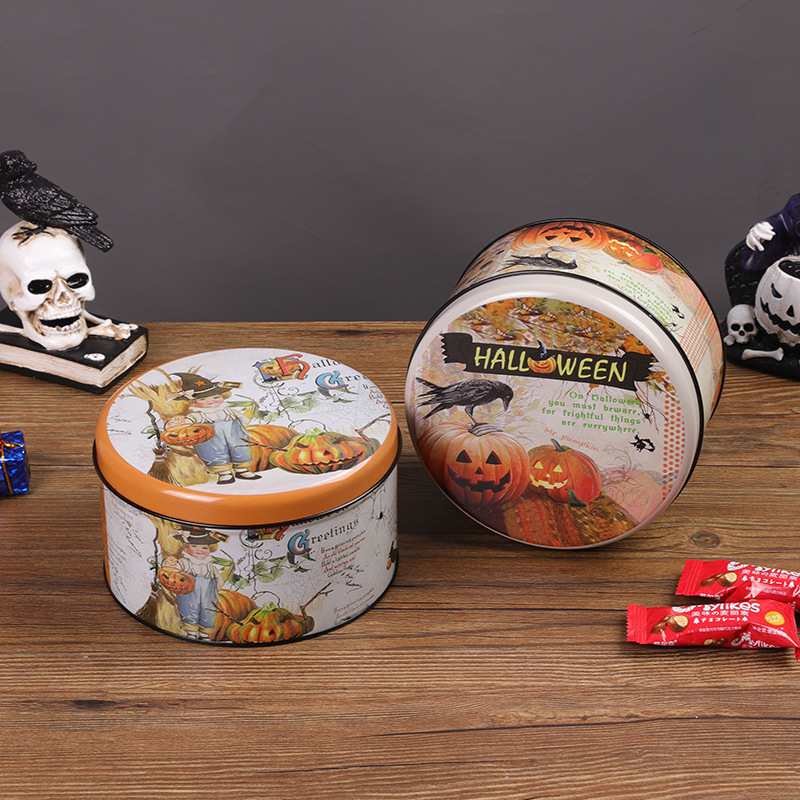
Round: Round tins are often used for items like candies, mints, or cosmetics. Their circular design gives them a classic, elegant look.
Square: These boxes are used for items such as small gifts, candles, or snacks. Their symmetrical shape makes them versatile and easy to store.
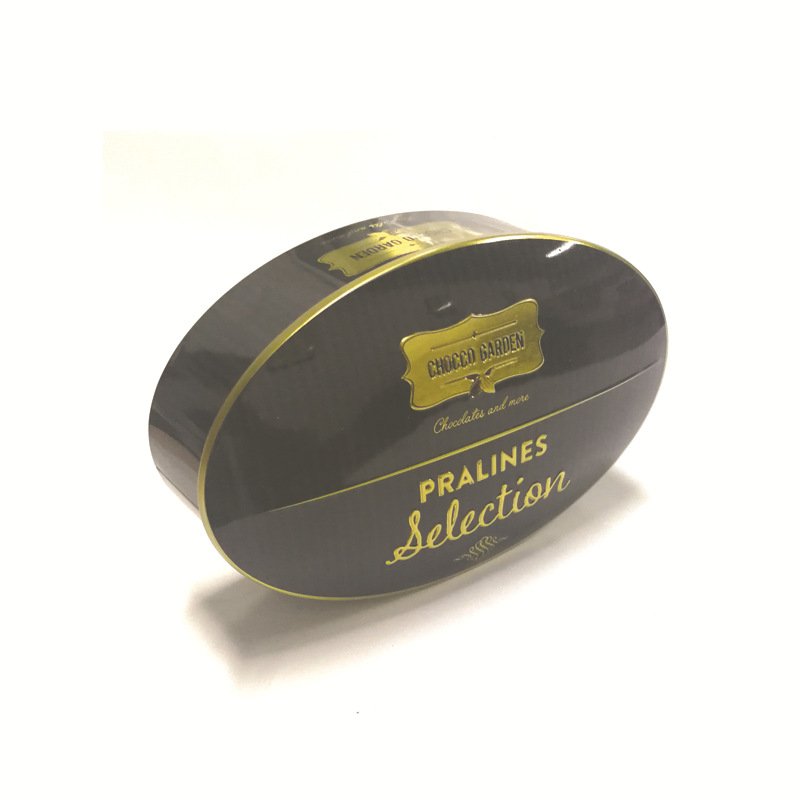
Oval: Oval tin boxes are less common but provide a unique aesthetic. They are often used for luxury products or promotional items.
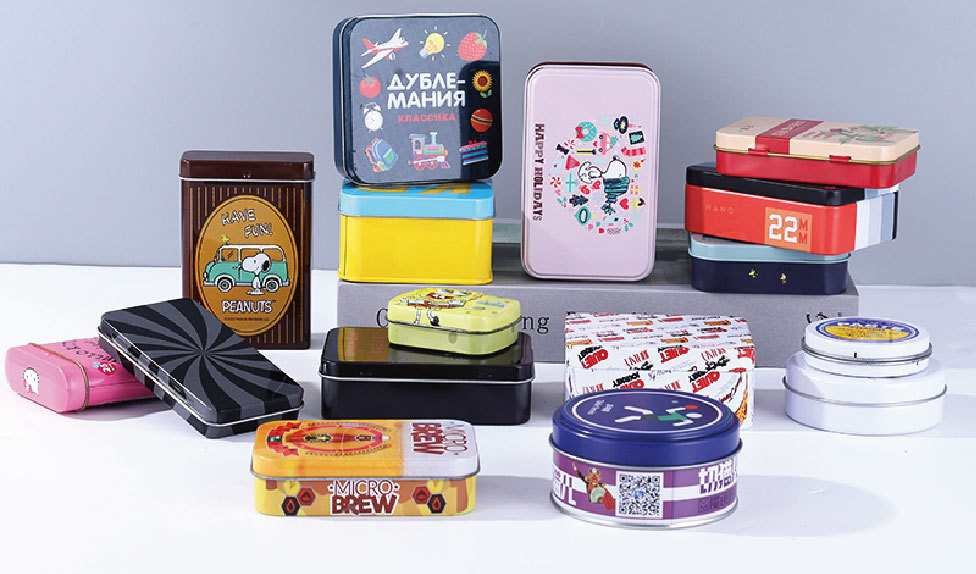
Custom Shapes: For special branding purposes, companies can create unique custom-shaped tins, such as hearts, stars, skull, or brand-specific designs, to stand out on store shelves.

Industries That Benefit from Tin Box Packaging
Tin boxes are widely used in a variety of industries due to their durability, attractive appearance, and reusability. Common uses include:
- Food Packaging: Tin boxes are often used for packaging biscuits, chocolates, candies, tea, and coffee. They help preserve the freshness of the food while also providing a premium look.
- Cosmetics and Beauty: Many cosmetic products like lip balms, creams, and makeup are packaged in small, elegant tin containers that enhance the brand’s aesthetic and provide secure storage.
- Gift and Promotional Items: Tin boxes are popular for packaging gift items and promotional products such as branded mints, candles, and custom keepsakes. Their durability makes them reusable, keeping the brand visible over time.
- Tin boxes can also be customized with various printing techniques, ensuring that the brand’s logo or promotional message stands out. With options to create unique shapes, colors, and designs, companies can craft personalized packaging that reflects their brand’s identity and leaves a lasting impression on customers.
- Storage Containers: Decorative tin boxes are commonly used as storage solutions for household items, such as sewing kits, spices, and office supplies.
- Pharmaceuticals: Some pharmaceutical products, like herbal remedies or lozenges, are packaged in small tin containers to protect the contents and offer a hygienic solution.
- Candles: Tin boxes are a popular option for candle packaging due to their heat resistance and customizable design.
Tin Box Production Process
The tin box manufacturing process can be divided into several stages, each critical for ensuring the final product is durable and visually appealing.
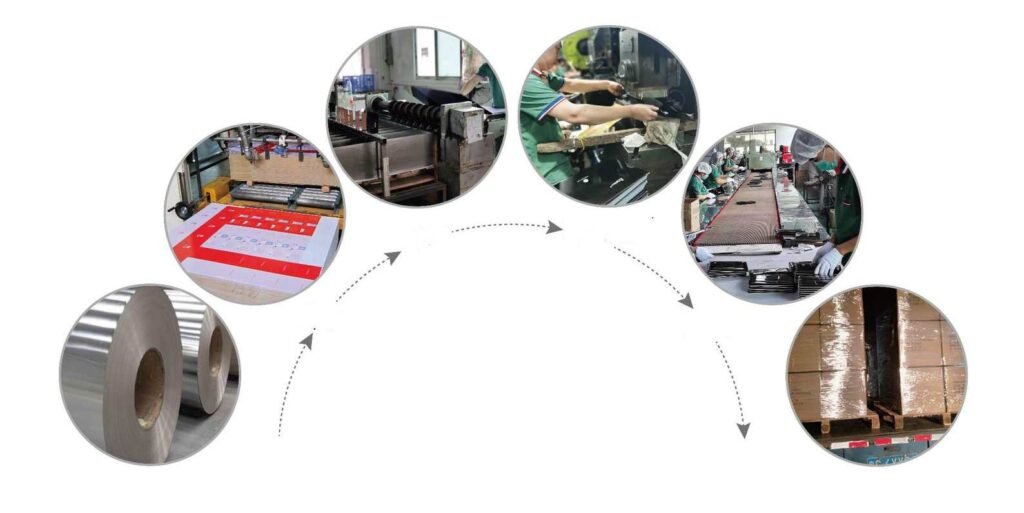
Step 1: Material Selection
The production process begins with the selection of tinplate, a thin sheet of steel coated with a layer of tin. Tinplate is preferred because it is lightweight, strong, and resistant to corrosion, making it suitable for packaging food, cosmetics, and other sensitive products.
Step 2: Shaping and Cutting
Once the material is selected, the tinplate is cut into flat sheets using high-precision machinery. These sheets are then fed into specialized machines that shape the tin into the desired forms.
Depending on the design, this could involve creating cylindrical, rectangular, or custom shapes through processes like stamping or pressing. Advanced machinery ensures that these shapes are uniform and accurate, crucial for maintaining consistency in mass production.
After shaping, the various parts of the tin box, such as the lid, body, and base, are produced separately. These parts are designed to fit together perfectly, and small details such as hinges or decorative elements may also be added during this stage.
Step 3: Assembling
The assembly process can be automated for large-scale production, but for more complex or decorative designs, some level of manual assembly might be required. Some tin boxes also feature embossed or debossed designs, which are applied at this stage to add texture and visual interest.
Step 4: Quality Control Considerations
Quality control is essential throughout the tin box production process to ensure that the final products are safe, durable, and meet the specific requirements of the industry they serve.

ITS Promotion – your premier source of custom tin boxes – your partner to start your journey with custom tin can packaging.
Art of Tin Boxes
The art of tin box design blends functionality with visual appeal.
Visual design, using bold colors and detailed printing;
Embossing and debossing, which add texture for a premium feel;
Custom shapes, allowing brands to create unique, standout packaging;
Surface finishes, like glossy or matte coatings that protect and enhance the tin’s look.
This balance of aesthetics and practicality makes tin boxes popular for high-end products and gifts across various industries.
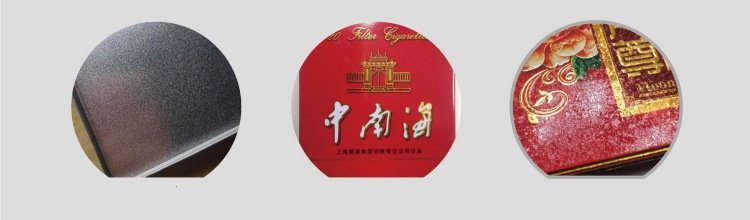
Matte Finish Real Gold Printing Exploding Oil Painting
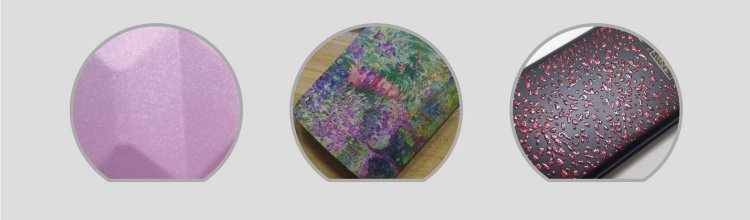
Three-dimensional Pattern Mixing Color Printing UV Printing
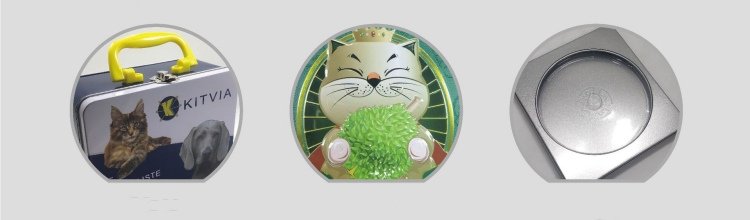
Lock Handle Embossing Pattern Window Pattern
FAQ
Are tin boxes safe for food?
Yes, tin boxes are generally safe for food when made from food-grade tinplate or tin-coated steel. Tinplate is commonly used in packaging because it provides a protective layer that prevents corrosion and keeps the contents safe from external contaminants.
The inside of food-grade tin boxes is often coated with a food-safe lacquer to ensure that no metal interacts with the food, maintaining the taste and freshness.
How durable are tin boxes compared to plastic?
Tin boxes are generally more durable than plastic. They resist dents and cracks better, hold up against environmental factors like moisture and light, and maintain their shape over time. Unlike plastic, which can degrade under heat or UV exposure, tin boxes are reusable and offer superior protection for stored items.
What do you keep in tin boxes?
Tin boxes are used to store items like cookies, tea, candies, cosmetics, craft supplies, stationery, jewelry, and candles. Their durability and airtight properties make them ideal for keeping contents fresh or organized.
How thick is the metal in tin boxes?
The metal used in tin boxes, typically tinplate, is generally between 0.14 mm to 0.30 mm thick. This thin layer of tin-coated steel provides durability while keeping the packaging lightweight. The thickness can vary depending on the intended use, with thinner sheets often used for smaller, lightweight items, and thicker tinplate used for larger, more durable packaging.
Are tin boxes rust-proof?
Tin boxes are not completely rust-proof, but they are highly resistant to rust due to the tin coating on the metal, usually steel. Tin itself doesn’t rust, and this coating acts as a barrier to protect the steel from moisture and air, which are the primary causes of rust.
However, if the tin coating is scratched or damaged, the exposed steel can rust over time. Many tin boxes also have additional protective coatings, such as lacquer, to further prevent rusting, especially in humid environments.
What are the benefits of using tin boxes for packaging?
Tin boxes offer several benefits for packaging:
- Durable: Protects contents from damage.
- Reusable: Adds value and reduces waste.
- Airtight: Preserves freshness.
- Customizable: Enhances brand appeal.
- Eco-friendly: Recyclable and sustainable.
Where can I buy custom tin boxes?
TS Promotion offers custom tin boxes as part of its wide range of promotional products. We help you create custom designs and branding options.
How to decorate tin boxes for gifts?
Decorating tin boxes for gifts can be a creative and personal touch to enhance your presentation. Here are several ways to decorate tin boxes for gifting:
Custom Stickers and Labels: Add personalized stickers or labels with names, messages, or festive designs that suit the occasion.
Ribbons and Bows: Wrap the tin box with decorative ribbons or attach a colorful bow for a simple but elegant touch.
Paint and Markers: Use acrylic paint or permanent markers to hand-paint designs, patterns, or personal messages directly onto the tin. Stencils can also help with creating detailed artwork.
Decoupage: Apply decorative paper, fabric, or photos onto the tin using a decoupage technique with mod podge or glue, then seal it with a clear coating for durability.
Embossing: Add texture by embossing the surface of the tin, which creates raised designs that add a luxurious feel to the packaging.
Fabric Wrap: Wrap the tin box in a decorative fabric or tissue paper to give it a softer, more elegant look.
Tags and Charms: Attach gift tags or small charms with personal messages or seasonal symbols to the ribbon or handle of the tin.
Are you starting your tin box event?
ITS Promotion is here to help!
As a leading supplier of promotional products, ITS Promotion specializes in creating personalized tin boxes that are perfect for gifts, events, or corporate promotions.
With a wide range of customization options, from unique shapes and sizes to custom printing and branding, ITS Promotion ensures that your packaging stands out and leaves a lasting impression. Whether you’re planning a corporate event, holiday giveaway, or product launch, our high-quality tin boxes can be tailored to meet your exact needs.
Visit ITS Promotion today to explore your options and get started on your custom packaging project!
Share This Post
Want To Get Promotional Products At Competitive Prices?
Our professional team will help you get whatever you want and finish all process.
We will provide a clear cost breakdown for your project, covering prototype creation, molding, testing, bulk orders, packaging, and shipping, along with expert advice on crafts, materials, and packaging.