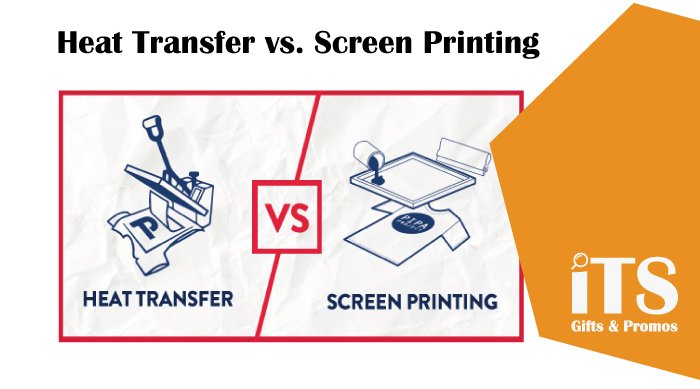
Heat Transfer vs. Screen Printing

Heat Transfer vs. Screen Printing: Which Method is Best

In today’s world, where custom apparel and branded products play a vital role in business promotion and personal expression, choosing the right printing method is essential. 

Two popular methods often considered are heat transfer and screen printing. Each technique has its unique strengths, making it ideal for certain types of designs, materials, and project scales.

Heat transfer is known for its flexibility and ease with complex, multicolored designs, while screen printing has earned a reputation for its high-quality, long-lasting prints and efficiency in bulk orders.

This article will break down these two methods in detail, covering how they work, their advantages and disadvantages, and how they compare across different factors.

By the end, you’ll have a clear understanding of each technique, empowering you to choose the one that best meets your specific needs.

You Will Learn

What is Heat Transfer?

Definition and Overview

Heat transfer is a printing technique that involves transferring a pre-printed image or design onto a surface using heat and pressure. Developed as an alternative to traditional printing methods, heat transfer gained popularity in the late 20th century as technology improved, allowing for more intricate and high-quality prints.

This method is versatile and widely used for printing on various materials, such as fabric, mugs, and even wood.

Heat transfer is ideal for detailed designs with multiple colors and complex patterns, making it popular for custom apparel, promotional items, and smaller batch productions.

How Heat Transfer Works

The heat transfer process consists of several straightforward steps, resulting in vibrant and durable prints:

  • Step 1: Creating the Design
    The design is created digitally, often using graphic design software, allowing for full customization in terms of color, detail, and size.

  • Step 2: Printing the Design onto Transfer Paper
    Once the design is finalized, it is printed onto special transfer paper. Depending on the heat transfer method, this paper may have specific coatings to handle different inks or adhesives.

  • Step 3: Positioning the Design on the Material
    The transfer paper is placed on the material, such as a T-shirt or tote bag, in the desired location.

  • Step 4: Applying Heat and Pressure
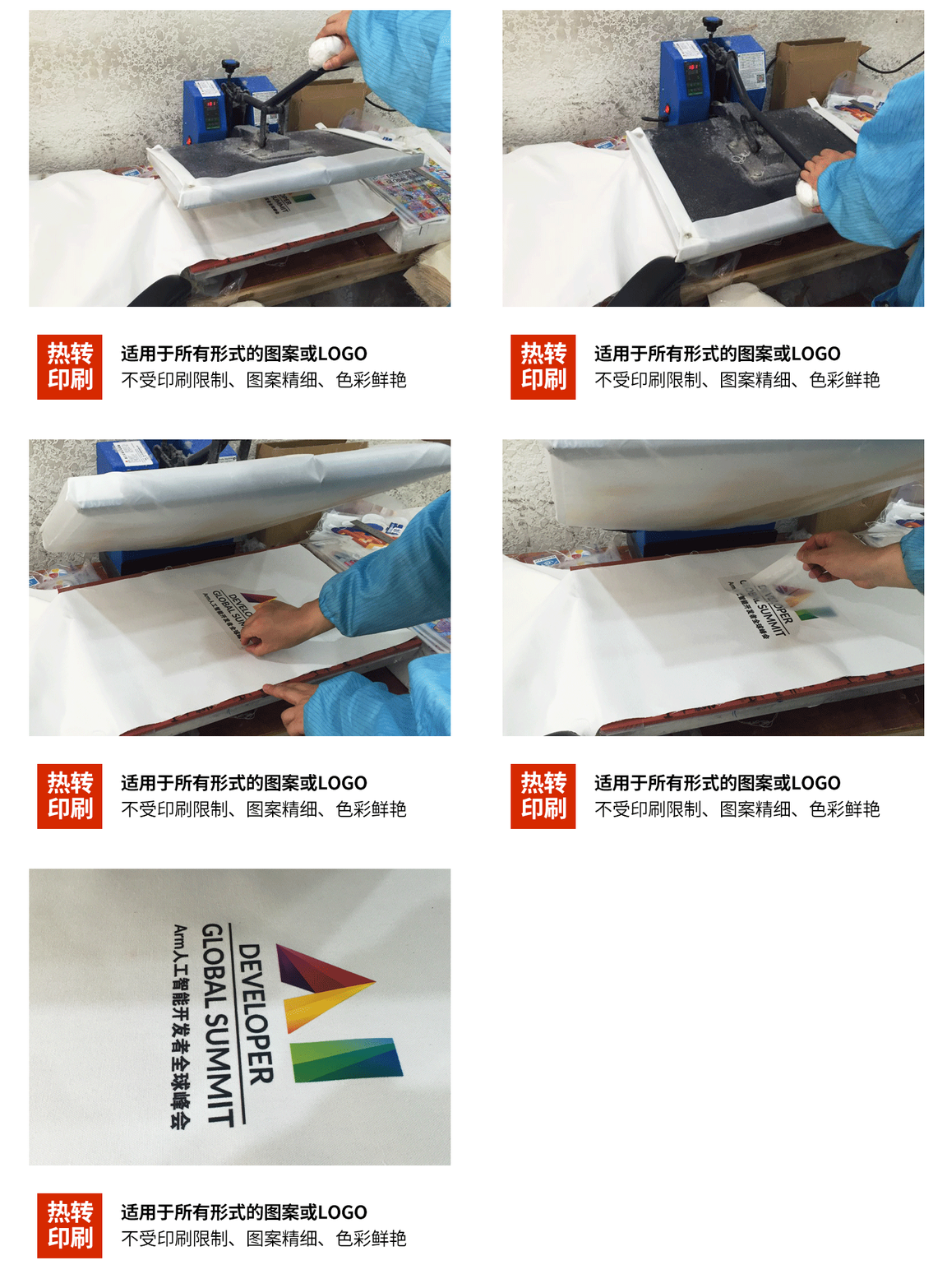
    Using a heat press, the paper and material are heated and pressed together. The heat activates the ink or adhesive, transferring the design from the paper to the material.

  • Step 5: Peeling the Paper
    After pressing, the paper is peeled away, leaving the design adhered to the surface. Some heat transfer methods require the design to cool before peeling to ensure proper adhesion.

Heat Transfer Printing

Types of Heat Transfer Methods

There are several types of heat transfer techniques, each with its own unique process and suitable applications:

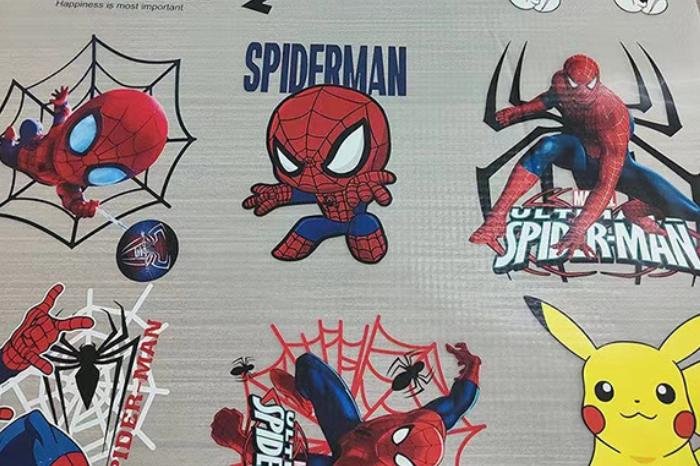
  • Vinyl Heat Transfer
    This method uses pre-cut vinyl sheets that are layered and transferred onto a surface using heat. Vinyl transfers are durable and come in various colors and finishes, including matte, glossy, and metallic. Ideal for simple designs, text, and logos.vinyl sheets
  • Sublimation Heat Transfer
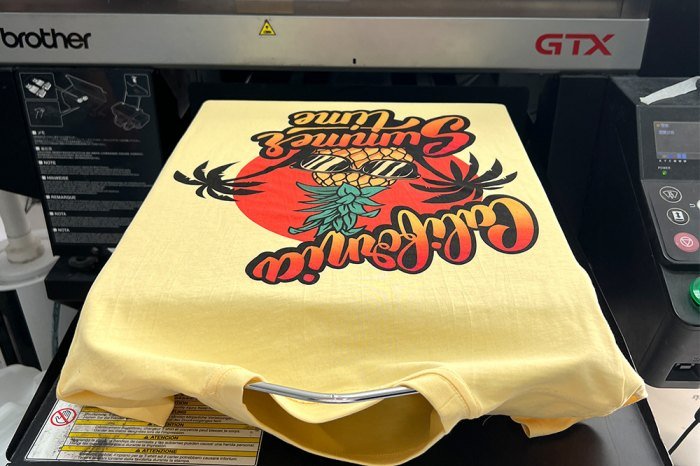
    In sublimation, the ink turns into a gas when heated and bonds with the material, resulting in vibrant, permanent prints. Sublimation works best on polyester fabrics and coated surfaces, making it popular for items like sportswear and mugs.Sublimation
  • Digital Heat Transfer
    Digital heat transfers use a digital printer to print the design onto transfer paper, which is then applied to the material with a heat press. This method is ideal for complex, multi-colored designs and photos, as it can capture fine details.

Materials and Equipment Needed

To perform heat transfers, specific tools and materials are essential to achieve professional-quality results:

  • Heat Press Machine
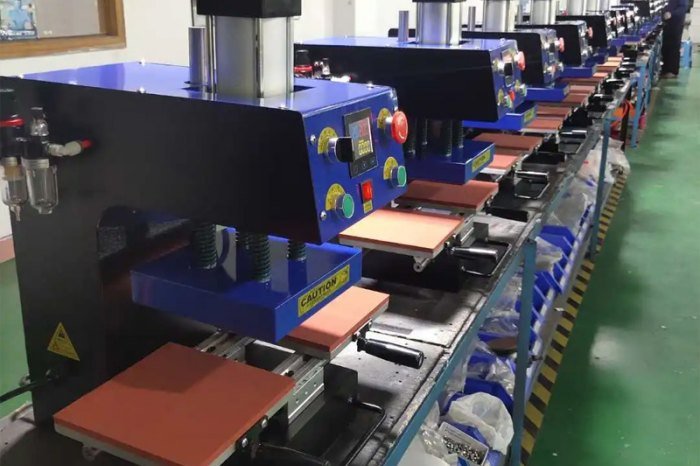
    This machine applies the heat and pressure necessary to transfer the design onto the material. Heat presses come in various sizes and types, including clamshell, swing-away, and draw presses.heat press machines
  • Transfer Paper
    Special paper that holds the printed design and releases it onto the material when heat is applied. The type of paper varies depending on the method, such as sublimation paper for sublimation printing or vinyl for vinyl heat transfer.

  • Vinyl Sheets (for Vinyl Transfers)
    Pre-colored sheets of vinyl that are cut into shapes or letters before being transferred onto the surface.

  • Printers (for Digital Transfers)
    High-quality printers, often using inkjet or laser technology, are needed for digital heat transfers to produce clear, vibrant images.

  • Cutting Machine (for Vinyl Transfers)
    A precision machine used to cut designs or letters out of vinyl sheets, making it easy to create complex or layered designs.
What is Screen Printing?

Definition and Overview

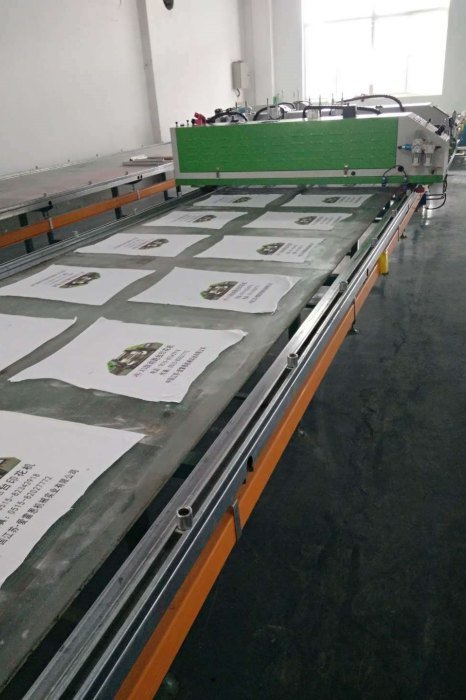
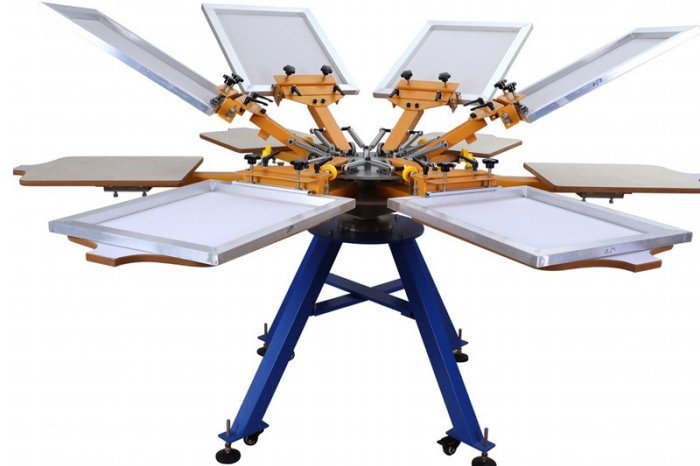
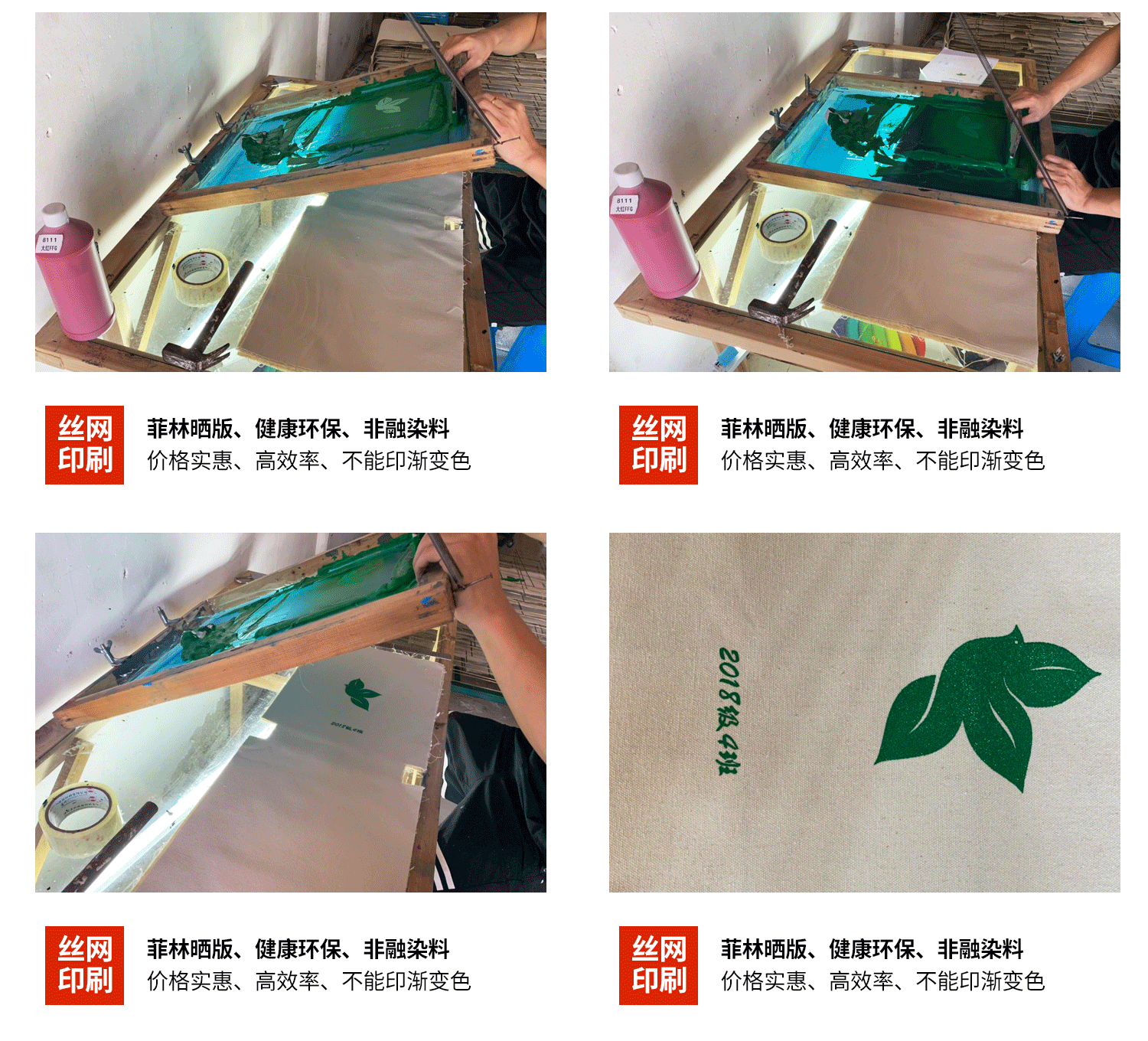
Screen printing is a traditional printing technique that involves pressing ink through a mesh screen onto a surface to create a design.

Originating in ancient China, this method has been used for centuries and has evolved into a widely used commercial printing process.

Known for its vibrant, long-lasting prints, screen printing is popular for both textiles and promotional products. The technique’s durability and high-quality output make it a top choice for printing on T-shirts, bags, and other apparel items, especially in large batches.

Screen Printing

How Screen Printing Works

The screen printing process consists of several precise steps that ensure high-quality results:

  • Step 1: Preparing the Screen
    A screen with a mesh stretched across a frame is coated with a light-sensitive emulsion. This emulsion hardens when exposed to light, creating the stencil for the design.

  • Step 2: Creating the Stencil
    The design is printed on a transparent sheet and placed over the screen. Exposure to UV light solidifies the emulsion around the design, leaving only the design area open for ink to pass through.

  • Step 3: Setting Up for Printing
    The screen is positioned on the material to be printed, whether it’s a shirt, fabric, or another surface.

  • Step 4: Applying Ink
    Ink is poured onto the screen, and a squeegee is used to push it through the mesh stencil onto the material. Each color requires a separate screen and layer of ink.

  • Step 5: Curing the Ink
    After printing, the material is heated to cure the ink, making it more durable and able to withstand washing and wear.

Types of Screen Printing

There are several variations of screen printing, each offering specific benefits:

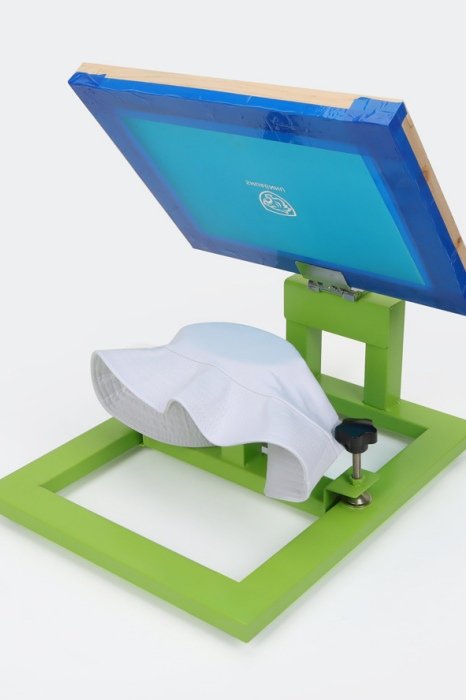
  • Manual Screen Printing
    This traditional form of screen printing is done by hand and is ideal for smaller runs and detailed work.

  • Automatic Screen Printing
    In this method, machines automate the printing process, allowing for quicker production, greater consistency, and scalability—ideal for large orders.

Manual Screen Printing

Automatic Screen Printing

Automatic Screen Printing

  • Rotary Screen Printing
    Commonly used for continuous printing on textiles, rotary screen printing utilizes a rotating cylindrical screen, making it efficient for printing on large rolls of fabric.
Rotary Screen Printing

Materials and Equipment Needed

Screen printing requires specialized equipment and materials to achieve high-quality results:

  • Screens
    Sturdy frames with fine mesh that can hold stencils for each design layer.

  • Emulsion
    A light-sensitive material that creates the stencil by blocking certain areas of the screen from ink.

  • Ink
    Screen printing inks come in various types and colors, suitable for different materials and finishes.

  • Squeegees
    Tools used to push ink through the screen onto the material.

  • Exposure Unit
    A device that exposes the screen to UV light, creating the stencil for the design.

  • Curing Equipment
    Heat sources, such as flash dryers or conveyor dryers, to set the ink and make it durable.

Comparing Heat Transfer and Screen Printing

Quality and Durability

  • Screen Printing: Known for its durability, screen printing produces prints that last longer, especially on textiles. The ink penetrates the fabric, making it resistant to fading and cracking, even after multiple washes. Colors tend to remain vibrant over time, which is why screen printing is often preferred for bulk orders of apparel meant for frequent use.
  • Heat Transfer: Heat transfer prints can also be durable, but they may show signs of wear more quickly, especially if not applied with high-quality materials. Over time, designs may start to crack, peel, or fade, particularly if they undergo frequent washing or are applied to stretchy fabrics. However, sublimation heat transfers can be highly durable on polyester surfaces.

Cost and Efficiency

  • Screen Printing Costs: The upfront costs for screen printing can be high due to the need for screens, stencils, and specific inks, especially for multi-color designs. However, the cost per item decreases significantly for large orders, making screen printing more cost-effective for bulk production. Screen printing is generally efficient for simple, high-volume designs but can be costly for smaller runs due to setup time.
  • Heat Transfer Costs: Heat transfer has a lower initial cost, as it does not require screens or stencils. Each design can be printed digitally, which is ideal for small-batch production or one-off items. However, the cost per item remains relatively high even in bulk orders, making it less economical for high-volume projects compared to screen printing.

Design Versatility

  • Screen Printing: Best suited for simple designs with fewer colors due to the screen and ink requirements. Each color requires a separate screen, making multi-colored or gradient designs challenging and more costly. Screen printing shines when it comes to bold, solid-color prints.
  • Heat Transfer: Highly versatile and capable of producing complex, multi-color, and gradient designs with ease. Digital heat transfer and sublimation can capture intricate details, making this method ideal for photo-realistic images or graphics with many colors. It’s also possible to print color gradients and fine lines, which are more difficult to achieve with screen printing.

Production Speed

  • Screen Printing: While the setup process for screen printing (preparing screens and inks) takes longer, it’s incredibly efficient once production begins. Screen printing machines can handle large batches quickly, making it a faster option for high-volume orders.
  • Heat Transfer: The setup for heat transfer is relatively simple, but each item must be transferred individually with a heat press, which can slow down production for large orders. Heat transfer is generally slower per item compared to screen printing, making it better suited for smaller, custom orders.

Environmental Impact

  • Screen Printing: Screen printing can have a larger environmental footprint due to the inks and chemicals used in the screen preparation and cleaning processes. Solvent-based inks can release harmful VOCs (volatile organic compounds), although water-based and eco-friendly inks are now available as greener options.
  • Heat Transfer: Digital heat transfer and sublimation methods typically produce less waste than screen printing, as they don’t require screens or stencils. However, vinyl heat transfers may produce more plastic waste due to excess vinyl sheets. The energy required for heat presses is also a factor in the environmental impact of this method.

Best Applications

  • Screen Printing: Best for bulk orders of simple designs, especially when durability is important. Ideal for T-shirts, hoodies, and other apparel items intended for long-term use and frequent washing. Screen printing also works well for items like tote bags and promotional items where solid colors and durability are a priority.
  • Heat Transfer: Excellent for small orders, customized items, or complex designs with multiple colors or photo-quality images. Works well on T-shirts, mugs, hats, and products with intricate designs or gradients. Heat transfer is ideal for personalized items or limited-edition merchandise where flexibility in design is more critical than durability.
FeatureScreen PrintingHeat Transfer
QualityDurable, long-lasting, vibrant colorsGood quality, can crack/peel over time
CostHigh setup cost, cheaper for large ordersLow setup cost, higher per-item cost
Design VersatilityBest for simple, bold designsExcellent for complex, multi-color designs
Production SpeedFast for large volumesSlower, best for small runs
Environmental ImpactMore waste, uses inks and chemicalsLess waste, requires vinyl and energy use
Best UseBulk orders, simple designs, apparelSmall runs, detailed designs, custom items

Pros and Cons of Each Method

Heat Transfer Pros and Cons

Pros:

  • Ease of Use: Simple setup process, ideal for small or custom orders without complex equipment.
  • Design Flexibility: Can handle complex, multi-color, and photo-realistic designs with ease, including gradients and fine details.
  • Versatile Applications: Works on various materials (e.g., fabric, mugs, and wood), making it suitable for personalized items.

Cons:

  • Durability Concerns: Prints may crack, peel, or fade over time, especially with frequent washing and stretching.
  • Higher Per-Item Cost: Less cost-effective for bulk production; the per-item cost remains high regardless of order size.
  • Slower Production for Large Orders: Each item must be pressed individually, which can slow down production for high-volume projects.

Screen Printing Pros and Cons

Pros:

  • High Print Quality: Produces vibrant, durable prints that hold up well to frequent washing and wear.
  • Scalability: Ideal for bulk orders, as the per-item cost decreases with larger volumes.
  • Longevity: The ink penetrates the fabric, providing a long-lasting print that resists fading and cracking.

Cons:

  • Limited Design Flexibility: Best suited for simple designs with fewer colors; each color requires a separate screen, increasing setup time and cost.
  • High Initial Setup Costs: The process requires screens, inks, and other equipment, making it less economical for small orders or one-off prints.
  • Environmental Impact: Uses inks and chemicals that can be less eco-friendly, although water-based options are available.

Factors to Consider When Choosing

1. Order Size

  • Screen Printing: Best for bulk orders due to lower per-item costs at high volumes. Ideal for large runs where setup costs are spread across multiple items.
  • Heat Transfer: Suited for smaller orders or one-off items. The setup is quick and inexpensive, but the per-item cost remains high, making it less economical for bulk production.

2. Budget Constraints

  • Low Budget: Heat transfer is a budget-friendly option for small, custom orders since it requires minimal upfront investment.
  • High Budget or Bulk Needs: Screen printing may have a higher initial setup cost but becomes more cost-effective for large orders, making it suitable for larger budgets or high-volume needs.

3. Complexity of Design

  • Screen Printing: Works well for simple, bold designs with limited colors. Multiple colors increase cost and setup time, so it’s less suitable for detailed designs.
  • Heat Transfer: Excellent for complex designs, high color counts, gradients, and photo-quality images. Digital and sublimation transfers make it easy to handle intricate details.

4. Timeframe for Production

  • Screen Printing: Requires more setup time, but once in production, it is fast for high volumes, making it efficient for large orders with flexible lead times.
  • Heat Transfer: Has a quick setup process, making it ideal for urgent or custom orders. However, it can be slow for bulk orders, as each item requires individual pressing.

5. Product Material and Purpose

  • Screen Printing: Works well on a variety of fabrics, especially cotton and blends. Suitable for items that require durable prints, like T-shirts, bags, and hoodies.
  • Heat Transfer: Compatible with different materials, including polyester (for sublimation), cotton, and other surfaces like mugs and wood. Ideal for personalized items and varied material types.

6. Durability Requirements

  • Screen Printing: Offers high durability and withstands frequent washing and wear, making it the preferred choice for items that will undergo regular use.
  • Heat Transfer: Durability varies by method; sublimation is highly durable on polyester, while other methods may fade or crack over time, especially with regular washing.

FAQs about Screen Printing and Heat Transfer

Which method is more affordable?

Heat transfer is more affordable for small or custom orders due to lower setup costs. Screen printing becomes more economical for large orders, as the cost per item decreases significantly with volume.

Which method is best for t-shirt printing?

For T-shirt printing, the best method depends on your specific needs:

  • Screen Printing: This is generally the best choice for large orders or simple designs. It provides durable, vibrant prints that withstand frequent washing, making it ideal for bulk orders of T-shirts with bold designs or logos. Screen printing is also cost-effective for larger volumes.

  • Heat Transfer: Heat transfer works well for smaller orders, custom designs, or complex, multi-color images. It’s ideal for detailed graphics, gradients, or even photo-realistic designs, which can be challenging with screen printing. However, heat transfer may not be as durable over time, especially if the T-shirts are washed frequently.

In summary:

  • Choose screen printing for bulk orders or when durability is a priority.
  • Choose heat transfer for detailed, multi-color, or smaller custom orders.
 

Can both methods handle complex designs?

Yes, but heat transfer is often preferred for complex, multi-color, or gradient designs because it allows for intricate detail and photo-quality prints. Screen printing is ideal for simpler, bold designs with fewer colors due to its setup requirements.

What is the best choice for beginners?

Heat transfer is more beginner-friendly due to its simpler setup and equipment requirements. It’s easier to achieve high-quality results without extensive training, making it a suitable choice for those new to printing.

Conclusion

Choosing between these methods ultimately depends on your specific needs, including order size, budget, design complexity, and desired durability. By considering the factors discussed, readers can make an informed decision that aligns with their project goals.

If you’re still unsure which method is best for your needs, consider reaching out with us.

With our expert guidance, you can explore both options and ensure you achieve the perfect print quality and design for your project.

About ITS Promotion

We are ITS Promotion, a company of promotional items and sourcing based in China. Our extensive experience enables us to offer you highly professional services.

Interested in wholesaling or customizing gifts and premiums? We can assist you in supplying customization upon your requests. Don’t hesitate to email us for more details.

Share This Post

Want To Get Promotional Products At Competitive Prices?

Our professional team will help you get whatever you want and finish all process.

We will provide a clear cost breakdown for your project, covering prototype creation, molding, testing, bulk orders, packaging, and shipping, along with expert advice on crafts, materials, and packaging.

Need More Products Information?

Just fill the form and tell us. We will reply in 24 hours.

Popup Form