What are the Materials for Promotional Bags?
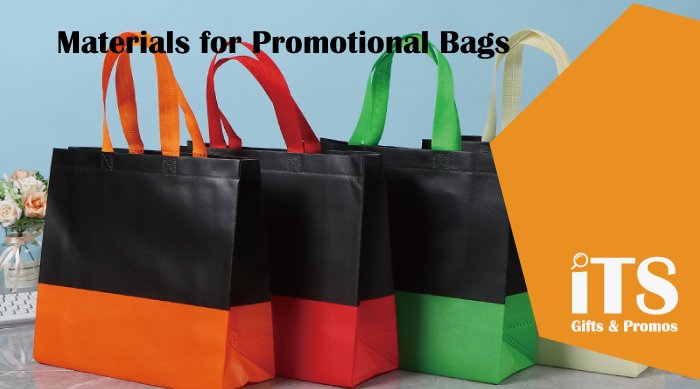
Promotional bags are a powerful marketing tool used by businesses to increase brand visibility. These bags often carry a company’s logo or message, creating brand recognition and providing a functional item that customers use in daily life.
The material of a promotional bag impacts its durability, eco-friendliness, and how it aligns with the brand image.
This post aims to give an in-depth look at different materials used for promotional bags, helping businesses choose the best options based on budget, sustainability, and target audience.
You Will Learn
Commonly Used Materials
Canvas
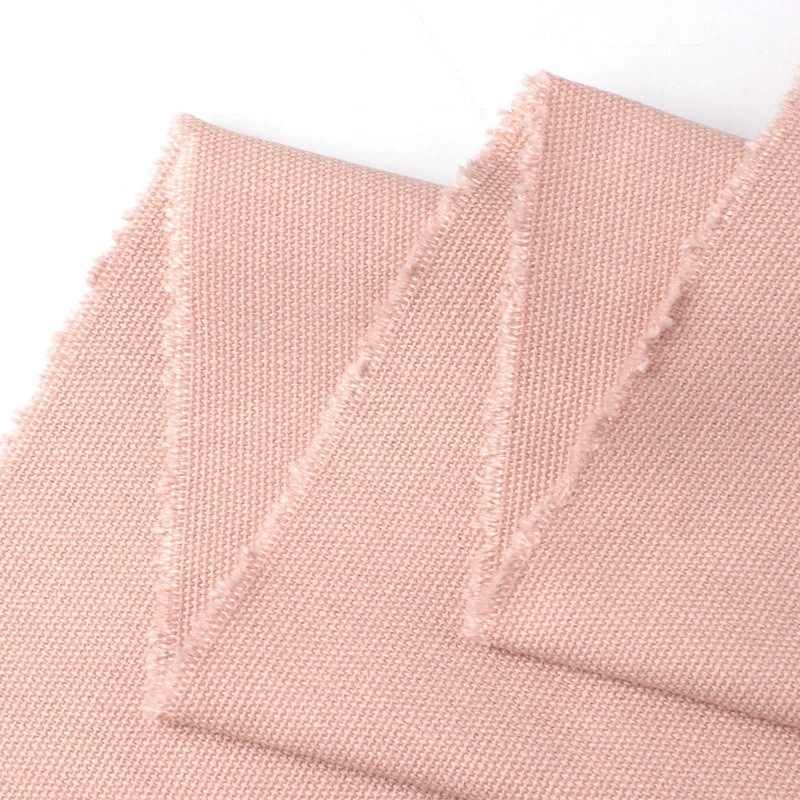
Canvas is a heavy-duty, woven fabric typically made from cotton or linen. It is known for its sturdy texture and durability.
Canvas is highly durable, resistant to wear and tear, and has a natural, rustic look that appeals to eco-conscious consumers.
Best Uses: Canvas is ideal for outdoor events, promotional giveaways, and campaigns focused on sustainability due to its strength, eco-friendly image, and versatility in custom designs.
Canvas Fabric
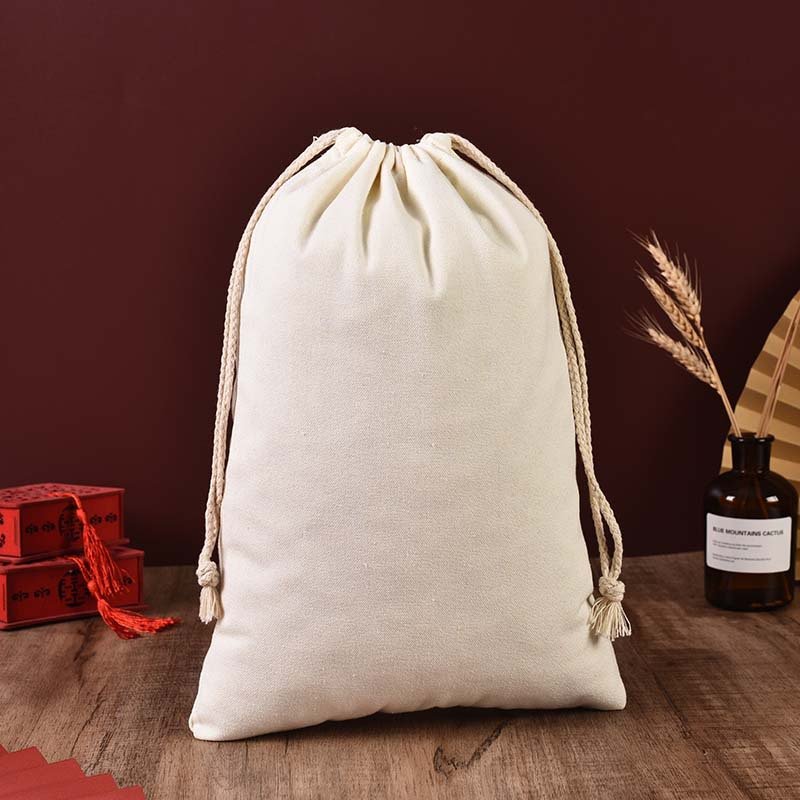
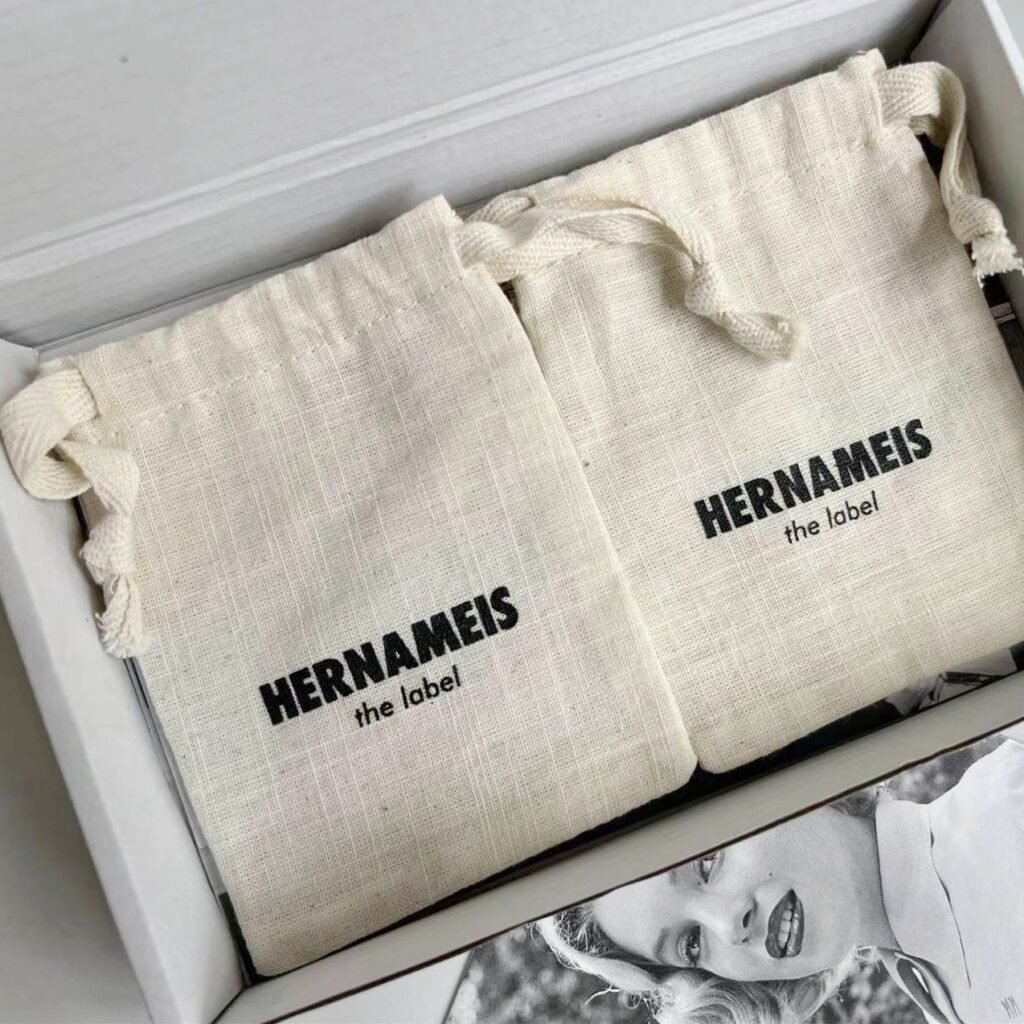
Cotton
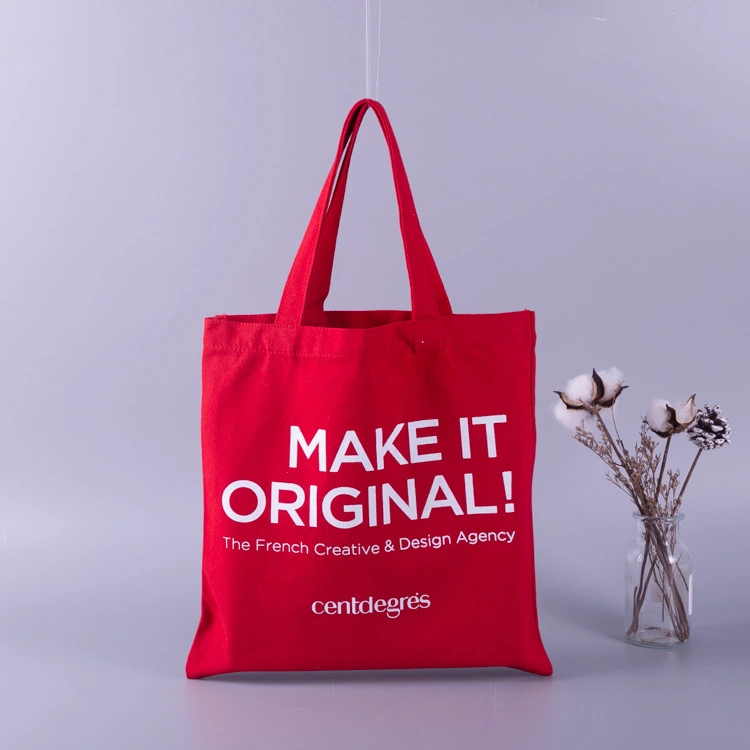
Cotton is a soft, breathable, and natural fiber that is gentle on the skin and comfortable to use.
Being biodegradable and renewable, cotton is a more eco-friendly choice compared to synthetic materials. Organic cotton, in particular, supports sustainable farming practices.
Cotton is relatively affordable and easy to customize with various printing techniques, making it popular for promotional products. Its versatility allows for a wide range of styles and designs.
Polyester
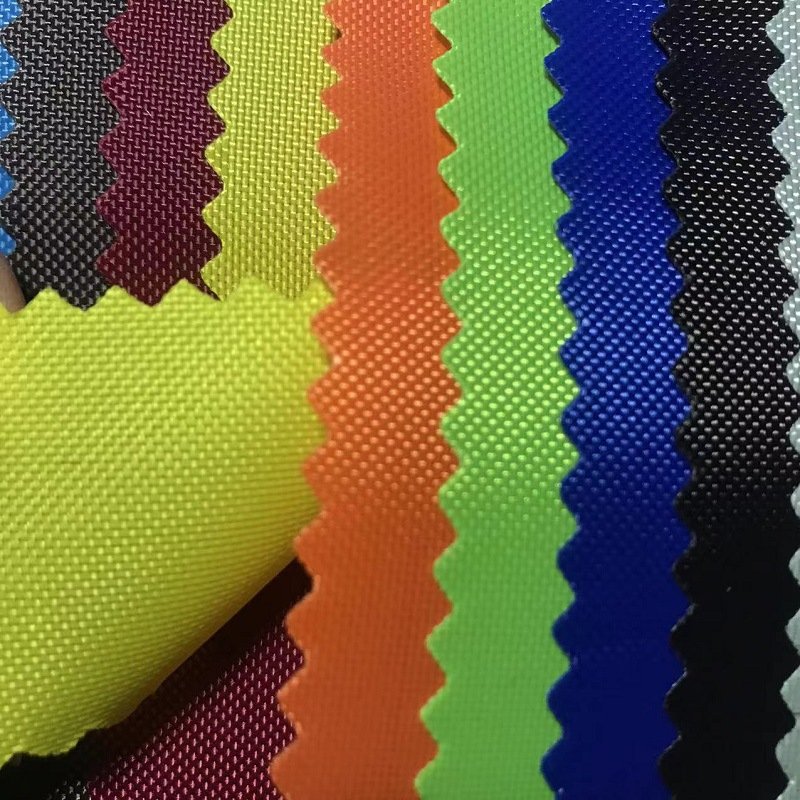
Lightweight and Cost-Effective: Polyester is a synthetic fabric known for being lightweight, making it comfortable and easy to carry. It’s also affordable, making it a popular choice for budget-friendly promotional products.
Water Resistance and Durability: Polyester is naturally water-resistant and highly durable, which ensures long-lasting use in different environments.
Use Cases: Polyester is commonly used for sports and travel bags due to its ability to withstand outdoor conditions and its easy maintenance.
Polyester Fabric
Nylon
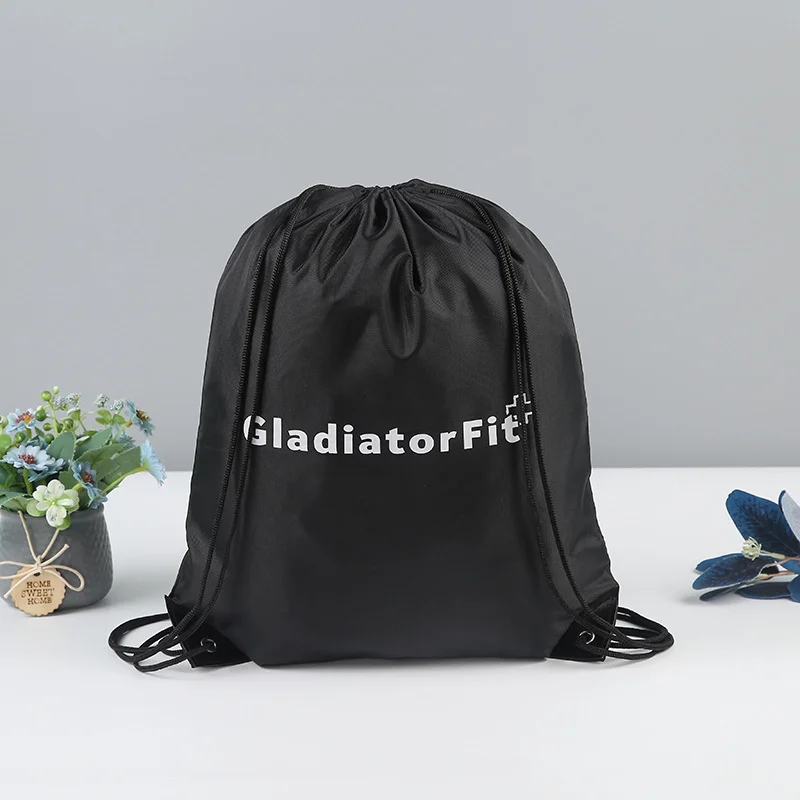
Strength and Flexibility: Nylon is a synthetic material known for its exceptional strength and flexibility, making it a durable choice for bags.
Comparison with Polyester: While both nylon and polyester are strong and lightweight, nylon is generally more durable and resistant to abrasions but can be slightly more expensive.
Popularity in Promotional Drawstring Bags: Nylon is widely used in promotional drawstring bags because it’s lightweight, foldable, and resistant to daily wear, making it ideal for casual use and giveaways.
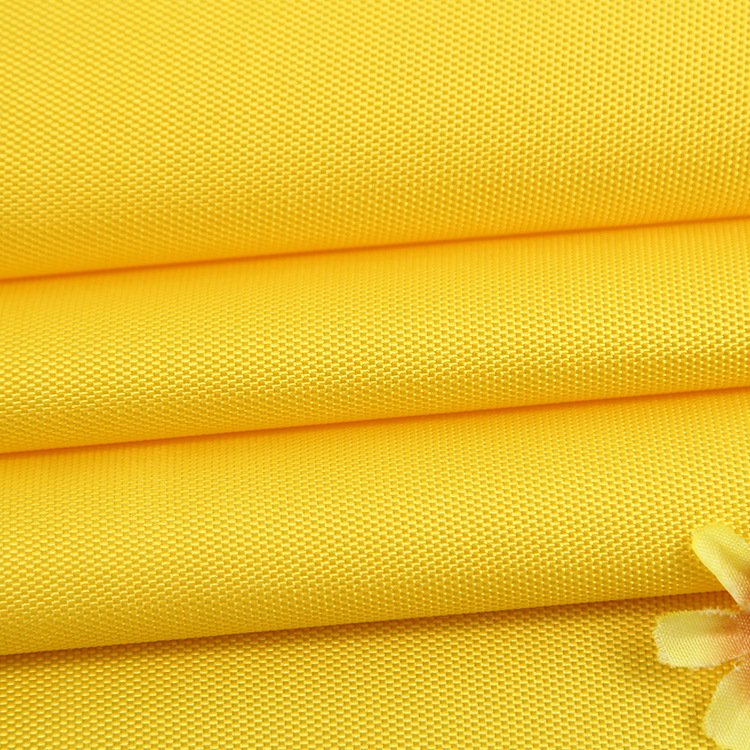
Nylon Fabric
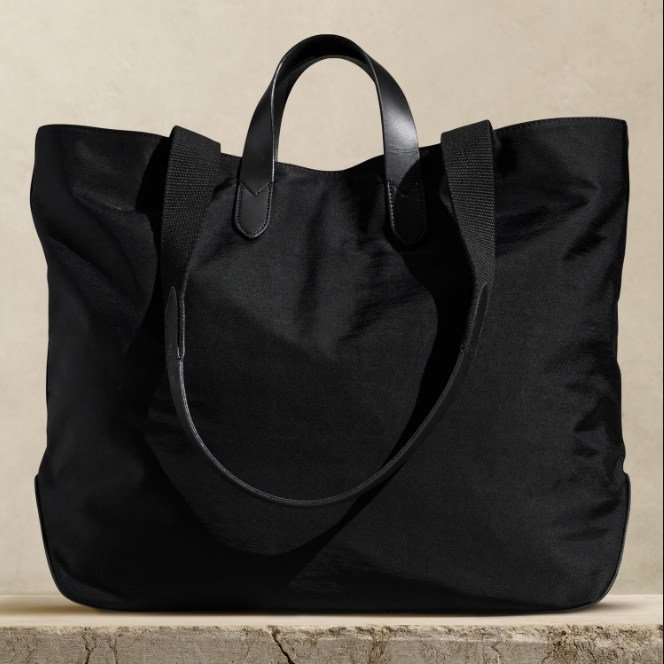
Nylon Bag
Non-woven Polypropylene
Budget-Friendly Option: Non-woven polypropylene is a cost-effective material commonly used in promotional products due to its low production cost.
Lightweight, Recyclable, and Reusable: This material is lightweight and can be recycled, making it a more eco-friendly choice. It’s also reusable, adding value for both brands and consumers.
Common Uses: Non-woven polypropylene is frequently used for promotional bags at trade shows, conferences, and giveaways because of its affordability and versatility in customization.
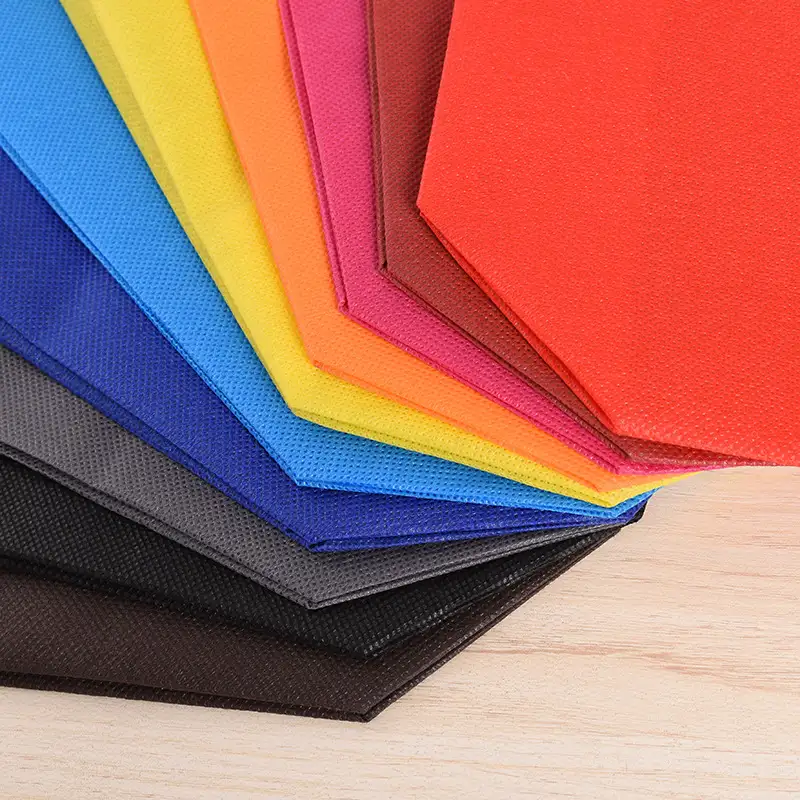
Non-woven Fabric
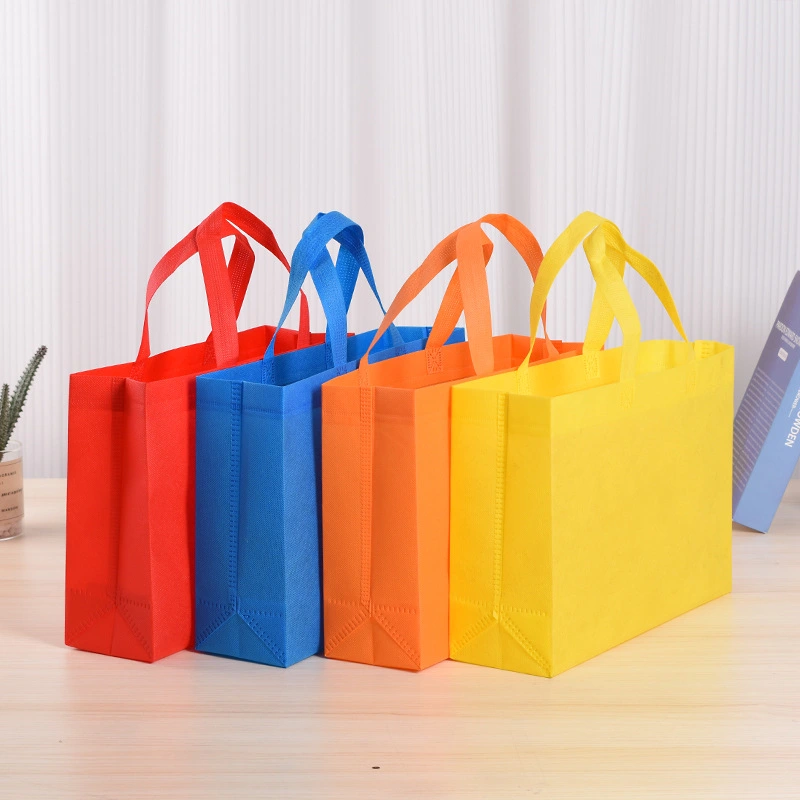
Specialty and Premium Materials
Jute
Eco-friendly and Sustainable: Jute is a natural fiber that is biodegradable, renewable, and requires minimal resources to grow, making it an environmentally friendly option.
Rustic, Natural Appearance: Jute has a coarse, textured feel and a rustic look, giving it a unique, organic appeal that resonates with eco-conscious consumers.
Ideal for Eco-Conscious Brands: Its eco-friendly qualities make jute a top choice for brands that want to promote sustainability while offering stylish and durable promotional bags.
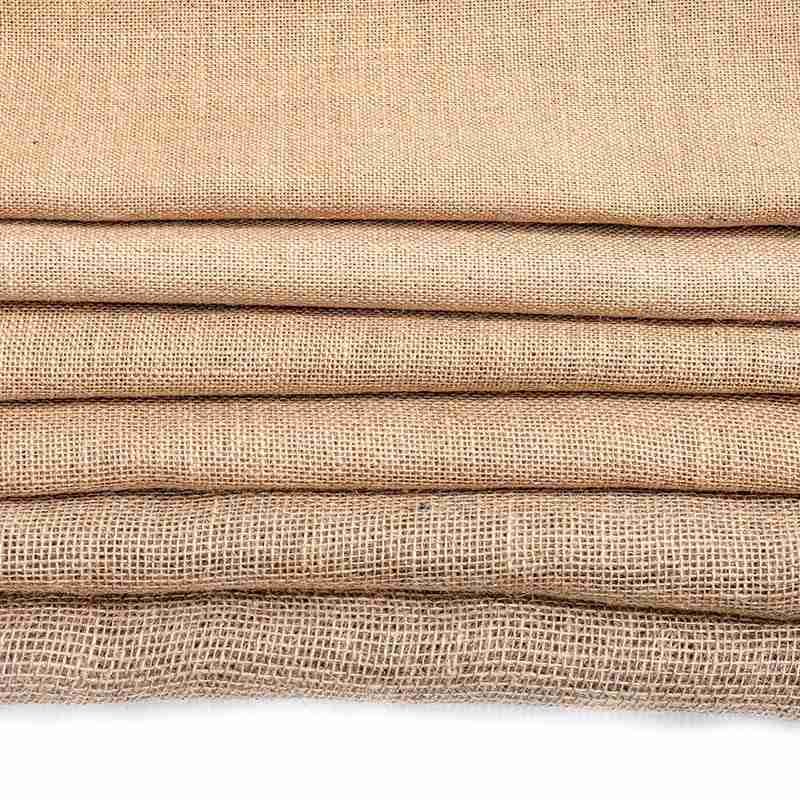
Jute Fabric
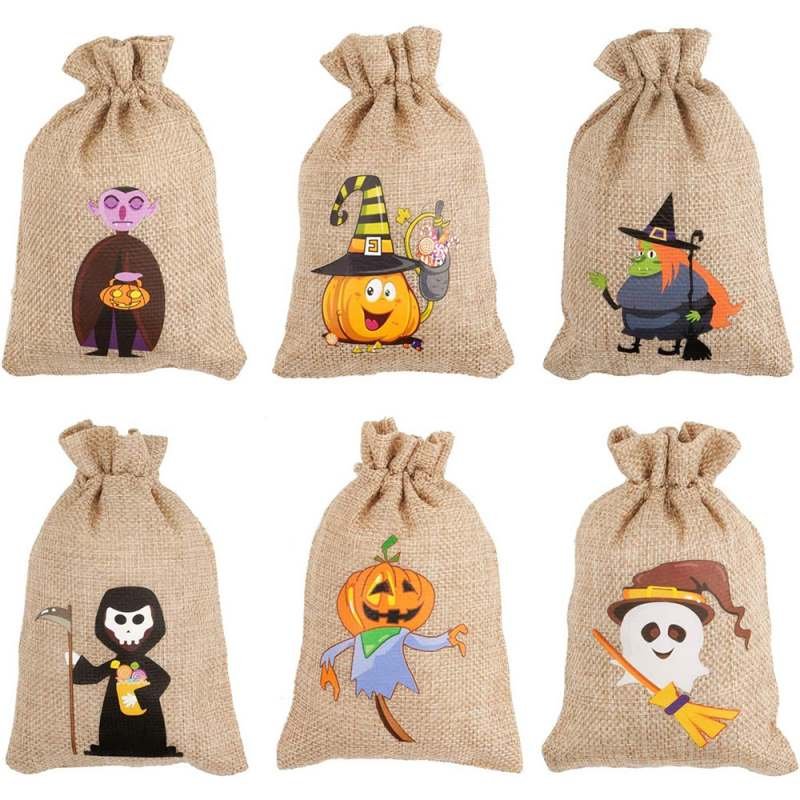
Jute Bag
Denim
Sturdy and Fashionable: Denim is a durable fabric that combines strength with a stylish, casual look, making it a popular choice for functional yet fashionable bags.
Adds Premium Feel to Promotional Items: Its distinct texture and durability give promotional bags a higher-end, premium feel, often associated with quality.
Common Uses in High-End Promotional Campaigns: Denim is frequently used in luxury or high-end promotional campaigns, appealing to brands that want to create a long-lasting impression with unique, trendy items.
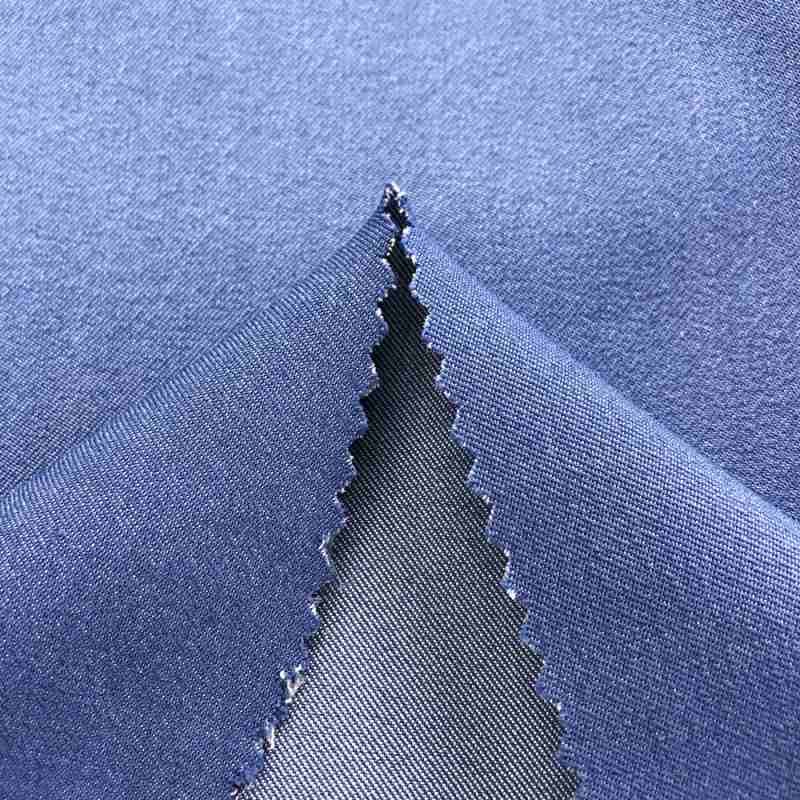
Denim Fabric
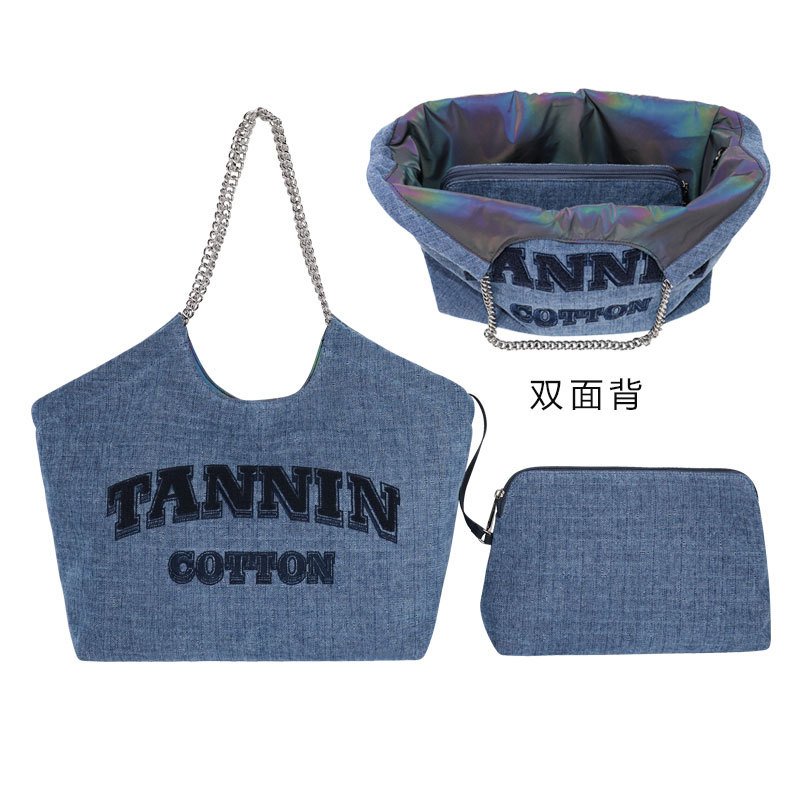
Denim Bag
Leather
Premium Look and Feel: Leather is a luxurious material that exudes elegance and sophistication, often associated with high-quality products.
Durability and Luxury Appeal: It is highly durable, with a timeless appeal that adds a touch of class to promotional items, ensuring they last for years.
Used for High-End Corporate Gifts: Leather is frequently chosen for high-end corporate gifts, such as executive bags or portfolios, where brands want to make a lasting, upscale impression.
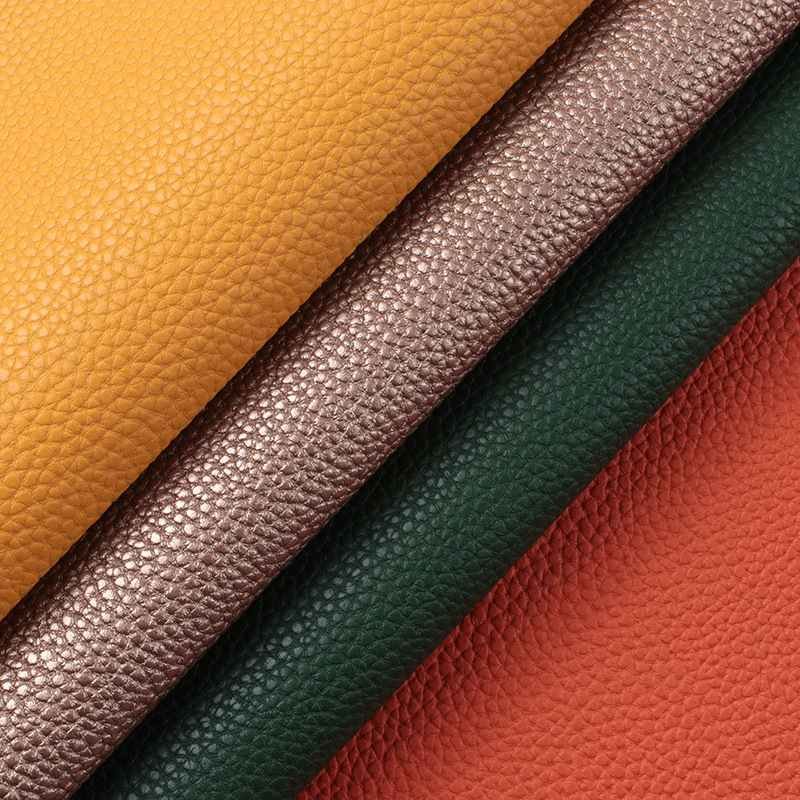
Leather Fabric
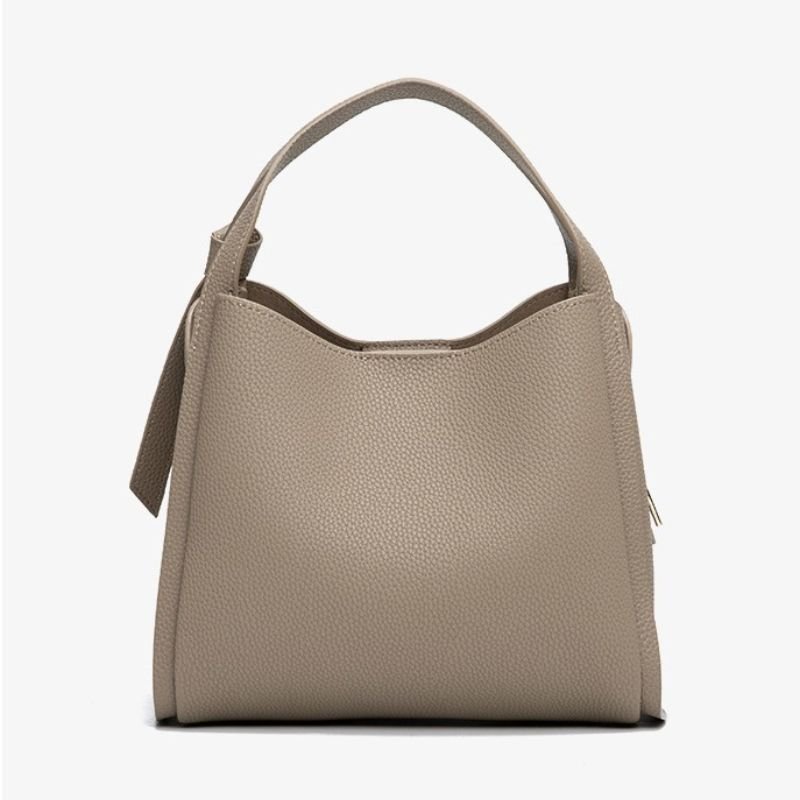
Leather Bag
Eco-Friendly and Sustainable Materials
Recycled PET (rPET)
Made from Recycled Plastic Bottles: rPET is created by recycling used plastic bottles, turning waste into usable material for bags.
Reduces Plastic Waste: By reusing plastic, rPET helps reduce the amount of waste in landfills and oceans, making it an eco-friendly option.
Popular for Eco-Conscious Promotions: Many brands use rPET for promotional bags as part of their sustainable marketing efforts, appealing to environmentally aware consumers who value recycled products.
Hemp
Natural, Biodegradable Material: Hemp is a natural fiber that is fully biodegradable, making it a highly eco-friendly material.
High Durability and Sustainability: It is known for being strong and long-lasting, while also requiring fewer resources to grow, making it a sustainable option.
Common Uses in Green Marketing Campaigns: Hemp is frequently used in eco-friendly promotional bags, especially for brands looking to highlight their commitment to sustainability and environmental responsibility.
Organic Cotton
Grown Without Chemicals or Pesticides: Organic cotton is cultivated without harmful chemicals, making it a safer option for the environment and people.
Soft, Durable, and Eco-Friendly: It retains the softness and durability of regular cotton but is produced in a way that supports sustainability.
Ideal for Brands Promoting Sustainability: Organic cotton is perfect for brands aiming to showcase their commitment to eco-friendly practices, as it appeals to consumers who value ethical and sustainable products.
Comparison: Canvas vs. Cotton
Durability: Canvas is thicker and more durable than cotton, making it better suited for heavy-duty use. Cotton, while softer, is less resistant to wear.
Cost: Cotton is generally cheaper than canvas, making it a budget-friendly option.
Customizability: Both materials can be customized, but canvas holds up better for long-term use in heavy-duty situations.
This table simplifies the comparison between canvas and cotton based on key features.
| Feature | Canvas | Cotton |
|---|---|---|
| Durability | Stronger and lasts longer. | Softer but wears out faster. |
| Cost | Costs more than cotton. | Cheaper and easy to find. |
| Environmental Impact | Natural, but not as eco-friendly as organic cotton. | Better for the environment if organic. |
| Customizability | Easy to add designs and lasts longer. | Easy to add designs, great for light use. |
Comparison: Polyester vs. Nylon
Strength: Nylon is typically stronger and more resistant to abrasion than polyester.
Water Resistance: Both materials are water-resistant, but nylon is slightly better in this regard.
Environmental Impact: Polyester is less environmentally friendly than nylon due to its production process.
| Feature | Nylon | Polyester |
|---|---|---|
| Strength | Nylon is typically stronger and more resistant to abrasion. | Not as strong as nylon, less resistant to abrasion. |
| Water Resistance | Both are water-resistant, but nylon performs slightly better. | Water-resistant, but not as good as nylon. |
| Environmental Impact | More environmentally friendly than polyester due to its production process. | Less environmentally friendly compared to nylon. |
| Cost | Nylon is generally more expensive than polyester. | Polyester is more affordable and cost-effective. |
| Customizability | Nylon can be customized but may have more limited printing options due to its texture. | Polyester is highly customizable, making it easier for printing and designs. |
Comparison: Non-woven Polypropylene vs. rPET
Eco-Friendliness: rPET is more environmentally friendly as it’s made from recycled plastic, while non-woven polypropylene is not as sustainable.
Cost: Non-woven polypropylene is cheaper to produce.
Durability: rPET tends to be more durable due to its recycled nature.
| Feature | Non-woven Polypropylene | rPET |
|---|---|---|
| Eco-Friendliness | Not as environmentally friendly, as it’s not made from recycled materials. | More eco-friendly as it’s made from recycled plastic bottles. |
| Cost | Cheaper to produce, making it more cost-effective for large orders. | More expensive due to the recycling process involved. |
| Durability | Less durable compared to rPET, but still suitable for light use. | More durable and long-lasting due to its recycled nature. |
| Customizability | Easy to print logos and designs, commonly used for trade shows and giveaways. | Customizable but may have fewer options for detailed printing compared to polypropylene. |
Key Factors to Consider When Choosing Bag Materials
When selecting materials for promotional bags, there are several key factors that should guide your decision. These considerations will help ensure that the bags are not only functional but also aligned with your brand’s values, budget, and the preferences of your target audience.
Purpose of the Promotional Bag
Understanding the primary use of the promotional bag is essential for selecting the right material. Different events or purposes require specific material qualities.
Events and Trade Shows: For trade shows or events where bags will likely be used only once or twice, materials like non-woven polypropylene or polyester may be appropriate due to their affordability and ease of mass production. These materials are lightweight and can carry printed designs well.
Gifts and Premium Giveaways: If the bag is intended as a higher-end gift or corporate giveaway, consider more durable and premium materials like canvas, leather, or denim. These materials offer a longer lifespan and better reflect quality, making them suitable for special gifts.
Outdoor and Sports Events: For bags meant for outdoor activities, nylon and polyester are excellent choices due to their durability and water-resistant properties.
Target Audience and Brand Values
Your audience and what your brand stands for are critical in the material selection process.
Eco-Conscious Consumers: If your brand values sustainability, materials such as organic cotton, jute, hemp, or rPET (recycled plastic) are great options. These materials appeal to environmentally aware customers and reflect your brand’s commitment to reducing environmental impact.
Premium Brands: For brands targeting a premium audience, materials like leather, denim, or canvas can help convey luxury and exclusivity. These materials have a more refined, upscale look and feel, which can elevate the perception of the brand.
Cost vs. Durability
Finding the balance between cost and durability is a crucial consideration, as it affects both your budget and the longevity of the promotional bag.
Budget-Friendly Options: For campaigns with a tight budget, non-woven polypropylene or cotton can be effective choices. These materials are relatively inexpensive, yet they can still offer decent durability for light use, such as in one-off events or trade show giveaways.
Durable Options: If durability is a priority, investing in materials like canvas, nylon, or rPET can be worthwhile. These materials last longer, giving your brand prolonged exposure as the bags continue to be used. Although the initial cost may be higher, the long-term benefits of durability often make the investment more valuable.
Environmental Impact
With growing concerns around sustainability, the environmental impact of the materials you choose is becoming increasingly important to both businesses and consumers.
Recyclability: Materials like rPET and cotton (especially organic) are biodegradable or made from recycled components, which makes them a strong choice for environmentally friendly campaigns. They reduce the overall waste and appeal to eco-conscious customers.
Sustainability: Renewable and biodegradable materials like jute, hemp, and organic cotton contribute positively to environmental sustainability. They require fewer resources to produce and help in reducing your carbon footprint.
Market Trends: Many businesses are moving towards using eco-friendly materials due to rising consumer demand for sustainable products. Opting for environmentally conscious materials can not only enhance your brand’s reputation but also align with current market trends.
Customization Options for Different Materials
Customizing promotional bags is a powerful way to reinforce your brand identity and make your marketing efforts more memorable. The material of the bag often dictates what customization techniques and decoration options are available.
Below are the common customization methods, popular decoration choices, and material-specific tips to help you achieve the best results.
Printing Techniques
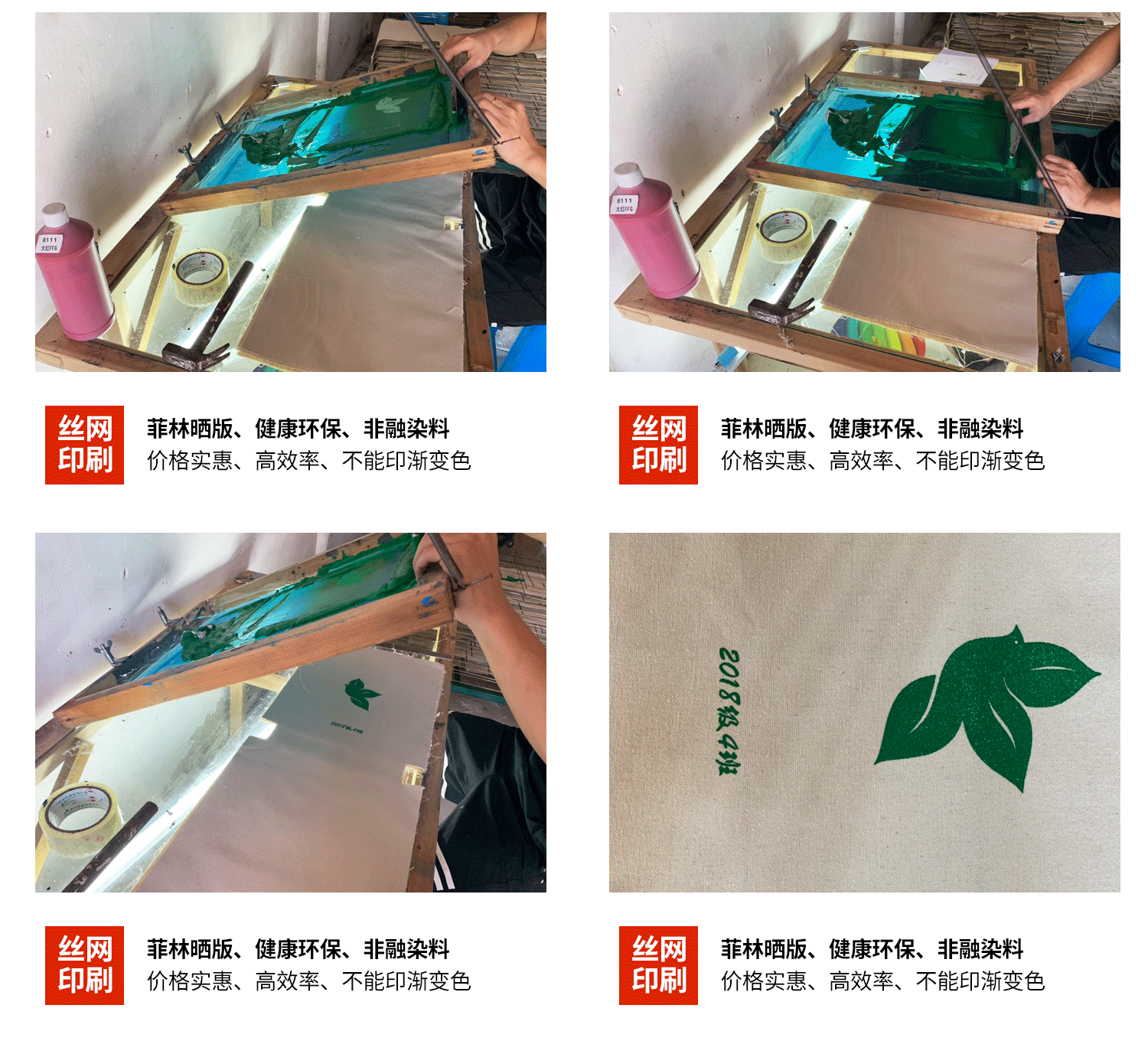
Screen Printing
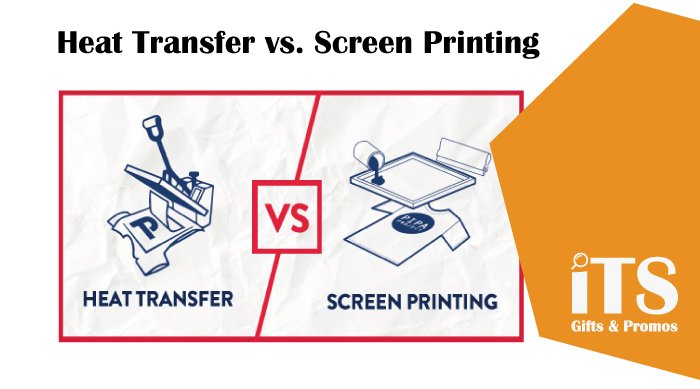
Screen printing is one of the most common and cost-effective methods used for customizing promotional bags. It involves applying ink through a stencil or mesh screen to create bold, durable designs.
- Best For: Canvas, cotton, polyester, and non-woven polypropylene bags.
- Advantages: Ideal for simple logos or designs with a few solid colors. It works well for high-volume orders and creates long-lasting prints.
- Considerations: Screen printing may not be suitable for highly detailed artwork or designs with a lot of colors, as each color requires a separate screen.
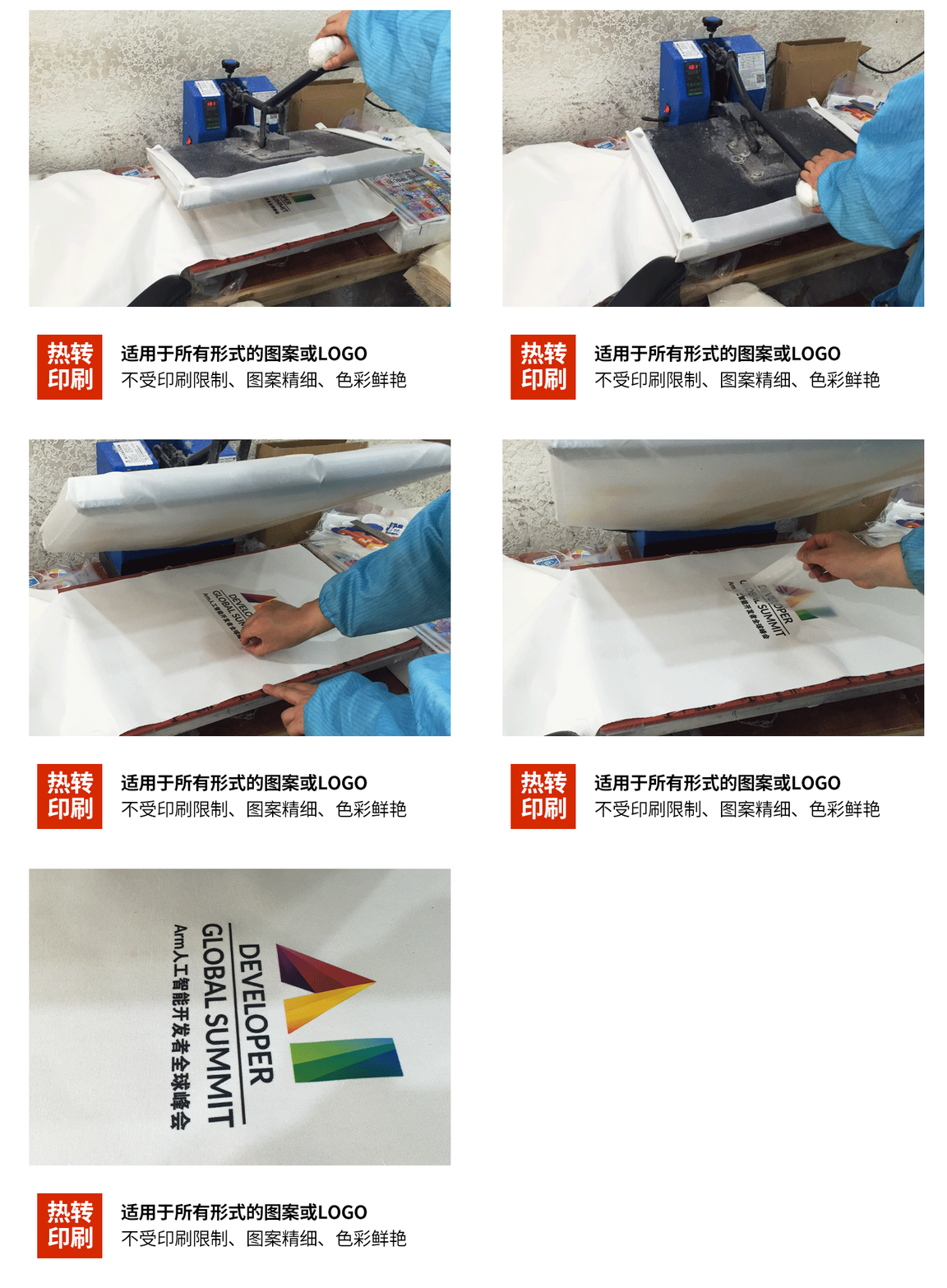
Heat Transfer
Heat transfer involves applying a design onto the bag using heat and pressure. The design is printed on a special paper and transferred onto the material.
- Best For: Polyester, nylon, and rPET bags.
- Advantages: Heat transfer allows for detailed and full-color designs, making it perfect for more intricate logos or images.
- Considerations: This technique may not be as durable as screen printing on materials like cotton or canvas, especially with frequent washing.
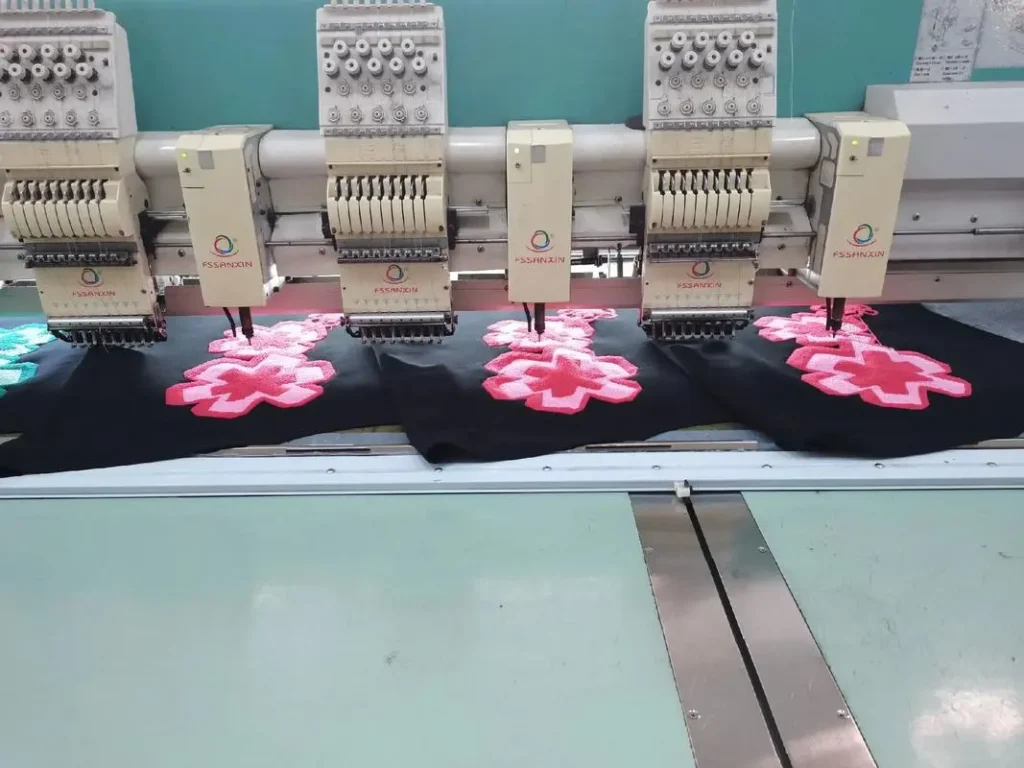
Embroidery
Embroidery is a high-end customization option where a logo or design is stitched directly into the fabric.
- Best For: Canvas, cotton, and denim bags.
- Advantages: Embroidery gives a more premium and professional look. It’s durable and long-lasting, adding texture and depth to the design.
- Considerations: Embroidery can be more expensive, especially for complex or large designs, and may not work well on thin or lightweight fabrics like non-woven polypropylene.
Decoration Options
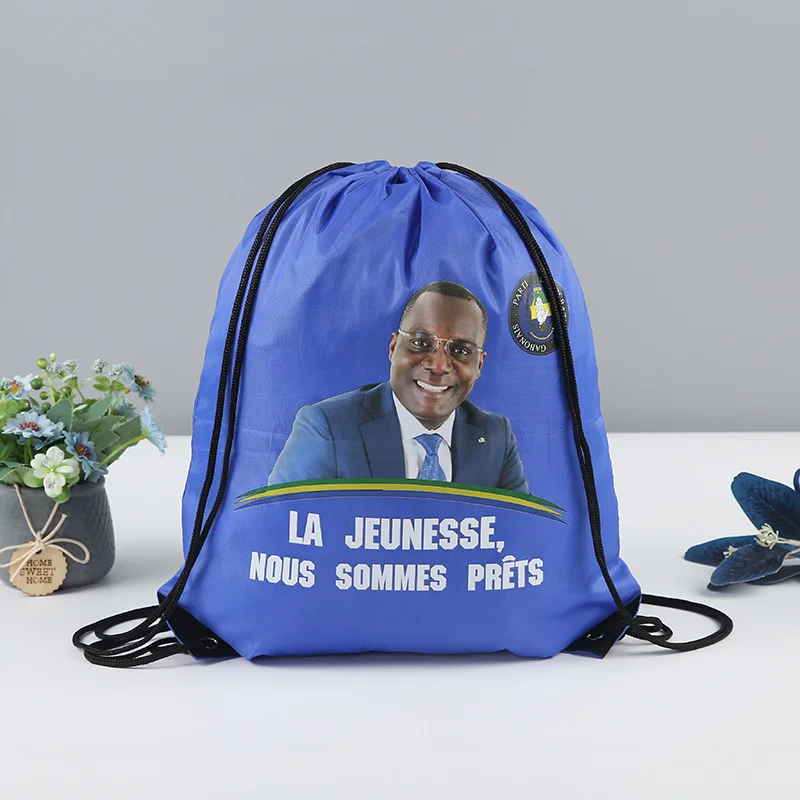
Logos
The most common type of decoration on promotional bags is a logo. Whether it’s a bold, single-color logo or a more detailed multicolored design, logos help reinforce brand recognition.
- Best For: All bag materials (canvas, cotton, polyester, nylon, non-woven polypropylene).
- Customizing Tips: Use screen printing for bold logos with fewer colors, and heat transfer for more intricate, multicolored logos. Embroidery can add a luxury feel to your logo on premium materials like canvas or denim.
Artwork and Patterns
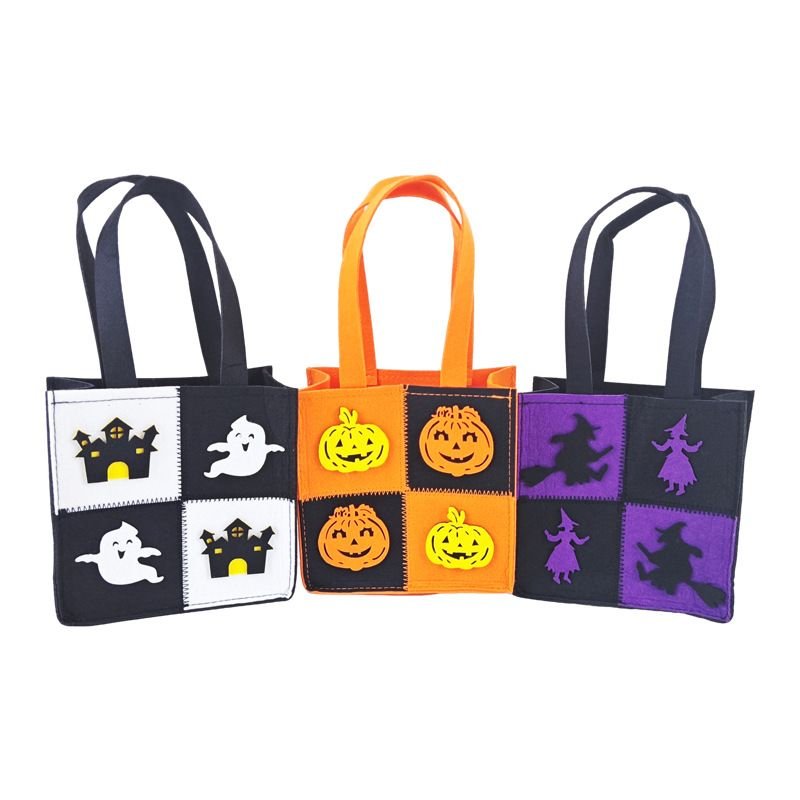
If you want to go beyond simple logos, consider adding unique artwork or patterns to make your promotional bags stand out. These could be abstract designs, nature-inspired patterns, or even brand-specific illustrations.
- Best For: Materials like canvas, cotton, and polyester, which are more adaptable to different decoration techniques.
- Customizing Tips: For detailed artwork or patterns, heat transfer is often the best option. Screen printing works well for repeating patterns with fewer colors. You can also combine embroidery for a special touch on premium bags.
Material-Specific Customization Tips
Each material has its own strengths and weaknesses when it comes to customization. Knowing the best practices for each type can help you achieve the best results while maintaining the quality and durability of the promotional bag.
Canvas and Cotton
- Best Techniques: Screen printing, embroidery.
- Tips: Canvas and cotton are highly versatile and can handle most printing techniques. For durable and long-lasting results, use screen printing for simpler designs or embroidery for a more premium look. Avoid heat transfer if the bags will be washed frequently, as this method may fade over time.
Polyester and Nylon
- Best Techniques: Heat transfer, screen printing.
- Tips: Polyester and nylon are excellent for heat transfer, especially if you’re looking for vibrant, full-color designs. These materials are smooth, allowing for detailed designs and intricate logos to shine. Screen printing is also an option, though it may not be as vibrant as heat transfer on these synthetic fabrics. Embroidery can be used, but the thin nature of these materials may not support large or complex designs.
Non-woven Polypropylene
- Best Techniques: Screen printing.
- Tips: Non-woven polypropylene is most suitable for simple screen-printed designs. This material is affordable and popular for high-volume orders like trade show giveaways, but it is not ideal for complex, detailed logos or artwork. Stick to bold logos or text for the best results.
Denim
- Best Techniques: Embroidery, screen printing.
- Tips: Denim is a sturdy and fashionable material that works well with embroidery, giving a high-end, durable finish. Screen printing is also a viable option, especially for bold, simple designs. Avoid heat transfer on denim, as it may not adhere well and could fade over time.
rPET (Recycled PET)
- Best Techniques: Heat transfer, screen printing.
- Tips: Since rPET is made from recycled plastic bottles, it works best with heat transfer for vibrant, detailed designs. Screen printing is another good option, though it may not offer the same level of detail. rPET can support eco-friendly campaigns, so using bold, clear logos with minimalistic designs works well to highlight sustainability.
As the trends continue to grow, it’s clear that the future of promotional bags is not only about practicality but also about making a positive impact on the environment and creating meaningful, lasting connections with consumers.
With different materials of bags, there are several types of bags in popular.
Finally, innovations in recycled and synthetic fibers are paving the way for more sustainable and durable materials, allowing companies to stay on the cutting edge of the promotional product market.

Ready to boost your brand with custom promotional bags? Contact ITS Promotion today to discover how we can help you create high-quality, personalized items that leave a lasting impression.
Share This Post
Want To Get Promotional Products At Competitive Prices?
Our professional team will help you get whatever you want and finish all process.
We will provide a clear cost breakdown for your project, covering prototype creation, molding, testing, bulk orders, packaging, and shipping, along with expert advice on crafts, materials, and packaging.